
Good oral health is essential for overall well-being, yet many patients still require treatment for preventable dental conditions. In NHS dental clinics in Kendal, dentists commonly manage a range of oral health issues linked to diet, hygiene habits, delayed check-ups, and access to care. Understanding these conditions helps patients recognise symptoms early and seek timely treatment.
1. Tooth Decay (Dental Caries)
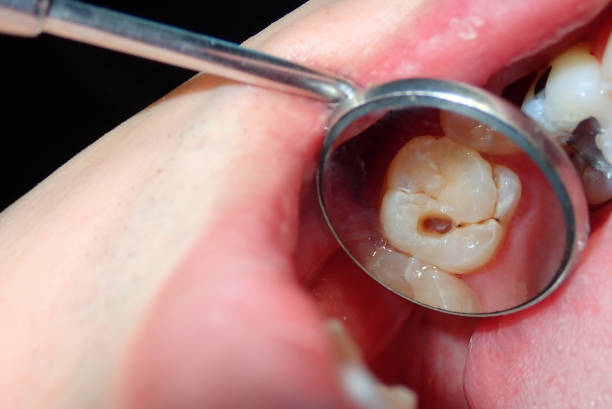
Tooth decay is one of the most frequently treated dental problems in NHS clinics and is also a common reason patients seek Emergency dental care in Kendal.
Common symptoms include:
- Tooth sensitivity
- Pain when eating or drinking
- Visible holes or dark spots on teeth
Treatment usually involves fillings, fluoride applications, or in severe cases, root canal treatment.
What Pain Relief Options Are Available During NHS Dental Treatment in Kendal?
2. Gum Disease (Gingivitis and Periodontitis)
Gum disease is another major reason patients visit NHS dentists in Kendal.
It develops when plaque builds up along the gumline, leading to inflammation and infection.
Signs of gum disease:
- Bleeding gums when brushing
- Swollen or red gums
- Bad breath
- Receding gums
Treatment includes deep cleaning (scale and polish), improved oral hygiene guidance, and, in advanced cases, specialist periodontal care.
3. Toothache and Dental Pain
Toothache is a common symptom that often indicates an underlying issue such as decay, infection, or trauma.
NHS dentists focus on identifying the root cause and providing relief through:
- Fillings
- Root canal treatment
- Tooth extraction (if necessary)
- Pain management advice
Prompt treatment is important to prevent complications.
4. Dental Abscess and Infection
A dental abscess is a serious infection that can develop at the root of a tooth or in the gums.
Symptoms may include:
- Severe throbbing pain
- Swelling in the face or jaw
- Fever or feeling unwell
- Sensitivity to pressure
NHS treatment typically involves antibiotics (if required), drainage, root canal therapy, or extraction, depending on severity.
5. Broken, Chipped, or Knocked-Out Teeth
Accidents, biting hard foods, or sports injuries often lead to dental trauma.
NHS dentists in Kendal treat these cases using:
- Dental bonding
- Crowns
- Root canal treatment
- Emergency reimplantation (for knocked-out teeth if possible)
Immediate treatment increases the chance of saving the tooth.
What Happens if You Delay Dental Treatment at an NHS Dentist in Kendal?
6. Sensitivity and Enamel Wear
Tooth sensitivity is commonly caused by worn enamel, gum recession, or exposed dentine.
Patients may experience discomfort when consuming:
- Hot drinks
- Cold foods
- Sweet items
Dentists may recommend desensitising toothpaste, fluoride treatment, or protective restorations.
7. Missing Teeth
Tooth loss can occur due to decay, gum disease, or injury.
NHS clinics may provide restorative solutions such as:
- Dentures
- Bridges
- In some cases, crowns
These treatments help restore function, chewing ability, and oral health stability.
8. Impacted Teeth (Especially Wisdom Teeth)
Impacted teeth occur when a tooth fails to fully emerge through the gums.
Common issues include:
- Pain or swelling at the back of the mouth
- Infection around the gum
- Difficulty chewing
Treatment may involve monitoring, surgical extraction, or referral to oral surgery services.
9. Emergency Dental Conditions
NHS dental clinics also handle urgent cases that require immediate attention.
Common emergencies include:
- Severe tooth pain
- Facial swelling
- Uncontrolled bleeding
- Dental trauma
Patients are often directed via NHS 111 for same-day emergency appointments when needed.
10. Preventable Oral Health Issues
Many NHS treatments are linked to preventable conditions caused by:
- Poor brushing habits
- High sugar intake
- Irregular dental visits
Dentists place strong emphasis on prevention, including:
- Oral hygiene instruction
- Fluoride use
- Dietary advice
- Regular check-ups
Conclusion
NHS dental clinics in Kendal commonly treat conditions such as tooth decay, gum disease, toothache, abscesses, and dental injuries. While many of these issues are preventable, timely access to care plays a key role in reducing complications. Regular check-ups and good oral hygiene remain the best way to avoid most dental problems and maintain long-term oral health.
FAQs
What is the most common dental problem in NHS clinics?
Tooth decay is the most common issue treated, often caused by poor oral hygiene and high sugar intake.
Can NHS dentists treat dental emergencies in Kendal?
Yes, urgent cases like severe pain, swelling, or trauma can be treated through NHS emergency pathways or NHS 111.
What should I do if I have a dental abscess?
You should seek urgent dental care immediately, as infections can worsen quickly if left untreated.
Are gum diseases reversible?
Early-stage gum disease (gingivitis) can often be reversed with good oral hygiene and professional cleaning.
How can I prevent most dental problems?
Brushing twice daily with fluoride toothpaste, flossing, reducing sugar intake, and attending regular dental check-ups helps prevent most issues.