
Many patients wonder whether dental X-rays are required every time they attend an NHS dental appointment. The simple answer is no. Dentists only recommend X-rays when they are clinically necessary. During your visit, the dentist will assess your oral health, review your dental history, and decide whether X-rays are needed to help diagnose or monitor dental conditions.
What Happens During an NHS Dental Appointment?
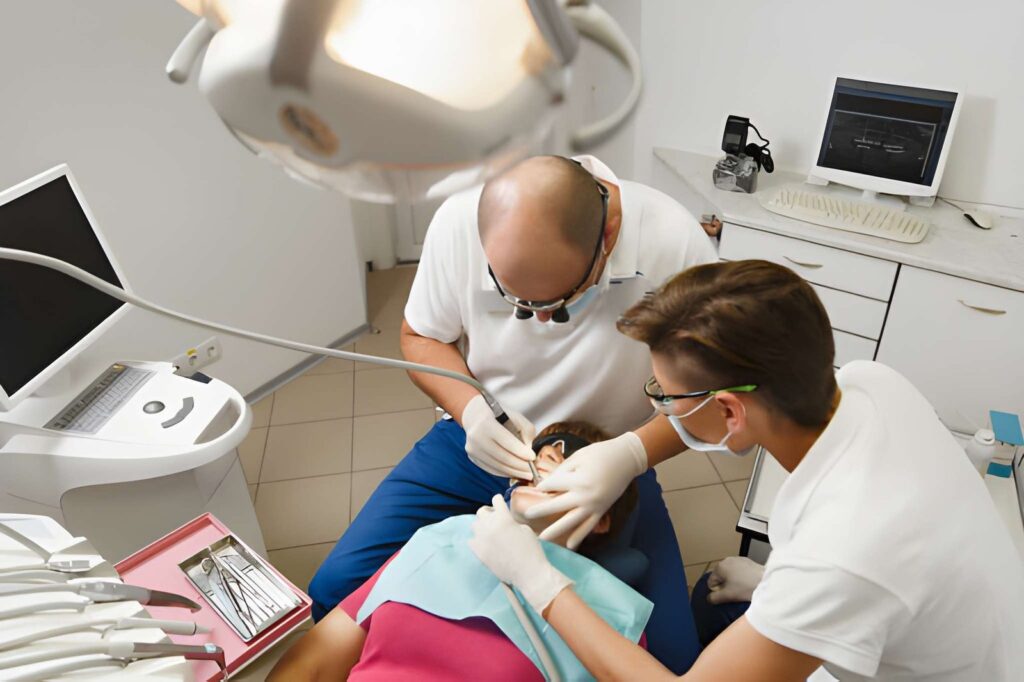
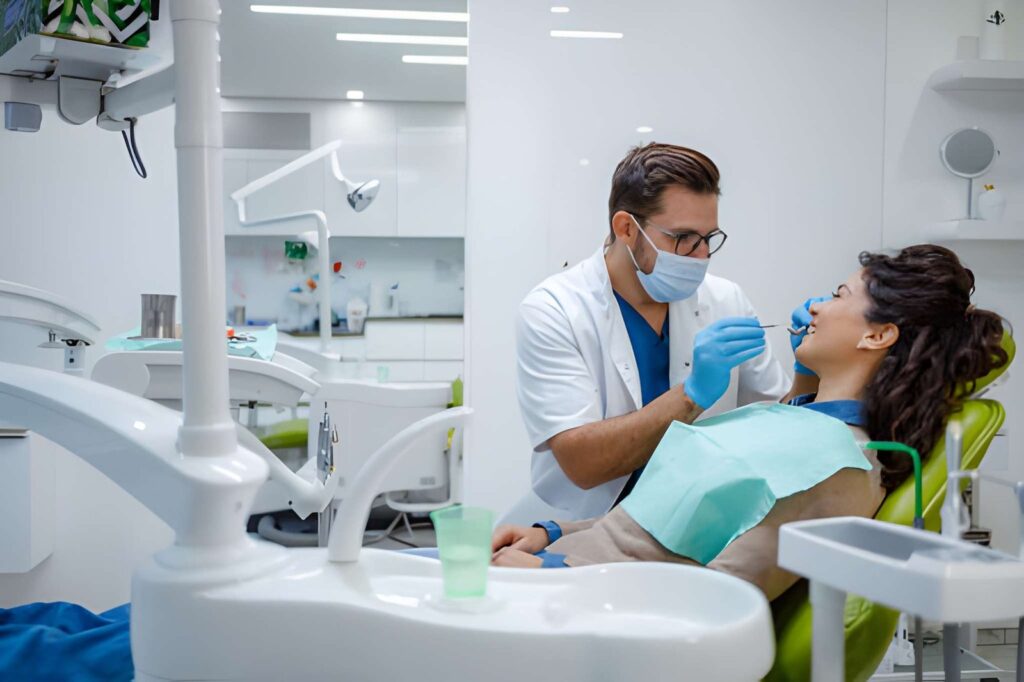
At an Emergency dental clinic Kendal, an NHS dental appointment usually begins with a discussion about your dental and medical history. Your dentist will ask if you have experienced any pain, sensitivity, swelling, trauma, or other urgent concerns since your last visit. This helps them quickly assess whether you need immediate care or further investigation.
The examination includes checking your teeth, gums, tongue, cheeks, and other soft tissues inside your mouth. The dentist will also assess your bite and look for signs of decay, gum disease, infection, or other oral health problems that may require urgent treatment. Depending on the findings, they may recommend further investigations, including dental X-rays, to ensure an accurate diagnosis and the most effective emergency treatment plan.
What Pain Relief Options Are Available During NHS Dental Treatment in Kendal?
Are Dental X-Rays Always Necessary?
No, dental X-rays are not required at every appointment. Dentists follow national guidelines and only take radiographs when they provide important information that cannot be seen during a visual examination.
For example, if your teeth and gums appear healthy and there are no signs of problems, you may not need X-rays during that visit. However, if your dentist suspects hidden decay, infection, bone loss, or other issues, X-rays may be recommended to support diagnosis and treatment planning.
Why Dentists Use Dental X-Rays
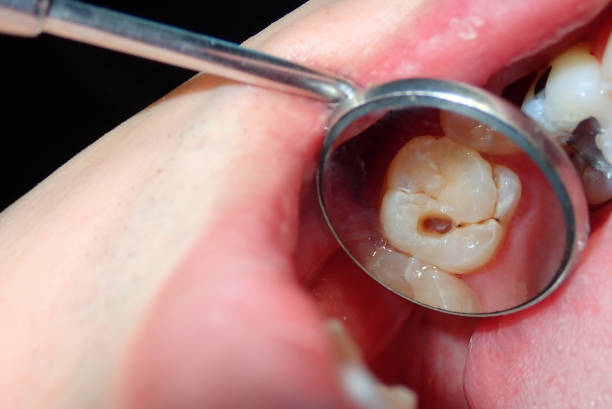
Dental X-rays allow dentists to see areas that are not visible to the naked eye. They help identify problems before they become more serious and costly to treat.
X-rays can help detect:
- Tooth decay between teeth
- Infections around tooth roots
- Gum disease and bone loss
- Impacted wisdom teeth
- Cracks or fractures
- Cysts and other abnormalities
- Orthodontic issues and tooth development
Early detection often means simpler and more effective treatment.
What Happens if You Delay Dental Treatment at an NHS Dentist in Kendal?
Types of Dental X-Rays
Intraoral X-Rays
Intraoral X-rays are the most commonly used type in dentistry. The sensor is placed inside the mouth to capture detailed images of individual teeth and supporting bone structures.
These X-rays help detect cavities, monitor root health, and assess bone levels around teeth.
Extraoral X-Rays
Extraoral X-rays are taken with the imaging device positioned outside the mouth. They provide a wider view of the jaws, facial bones, and surrounding structures.
They are often used for wisdom teeth assessment, orthodontic treatment planning, and investigating jaw-related problems.
How Often Should Dental X-Rays Be Taken?
The frequency of dental X-rays depends on your individual oral health needs. Patients with a low risk of tooth decay may only require X-rays every two years or longer.
Patients with higher risks, including previous dental disease, ongoing treatment, or a history of frequent cavities, may need X-rays more often.
Children and teenagers may also require more frequent imaging because their teeth and jaws are still developing.
Are Dental X-Rays Safe?
Yes. Modern dental X-rays use extremely low levels of radiation and are considered very safe. Digital X-ray technology has further reduced radiation exposure compared with traditional film-based systems.
The benefits of detecting hidden dental problems generally outweigh the minimal risks associated with dental radiographs. Your dentist will only recommend X-rays when the clinical benefits justify their use.
Can You Refuse Dental X-Rays?
Patients have the right to decline dental X-rays. However, it is important to understand that refusing recommended radiographs may limit your dentist’s ability to diagnose certain conditions accurately.
If you have concerns about X-rays, discuss them with your dentist. They can explain why the images are needed and how they contribute to your care.
Dental X-Rays During Pregnancy
Dental X-rays are generally considered safe during pregnancy when clinically necessary. However, dentists often postpone routine imaging until after pregnancy whenever possible.
If emergency dental treatment is required, appropriate precautions will be taken to ensure both patient and baby remain safe.
NHS Dental Costs and X-Rays
If dental X-rays are clinically necessary as part of your NHS examination or treatment, they are included within the relevant NHS treatment band. There is usually no separate charge for individual X-rays when they form part of your NHS dental care.
Your dentist will explain any costs before treatment begins.
What If Dental Problems Are Found?
If your X-rays reveal an issue, your dentist will discuss the findings with you and explain the available treatment options.
Depending on the diagnosis, treatment may include:
- Fillings
- Root canal treatment
- Gum disease management
- Tooth extraction
- Crowns or restorations
- Orthodontic referral
Early diagnosis often leads to simpler and less invasive treatment.
Looking After Your Oral Health Between Appointments
Regular dental visits are important, but daily oral hygiene plays the biggest role in preventing dental problems.
To keep your teeth healthy:
- Brush twice daily with fluoride toothpaste
- Clean between your teeth every day
- Limit sugary foods and drinks
- Avoid smoking
- Attend regular dental check-ups
- Follow your dentist’s recommendations
Good habits help reduce the need for extensive dental treatment in the future.
Book Your Appointment at Kendal Dental Aesthetics and Implant Clinic
Need Professional Dental Care in Kendal?
At Kendal Dental Aesthetics and Implant Clinic, our experienced team provides comprehensive NHS and private dental care for patients of all ages. Whether you need a routine examination, dental X-rays, preventive treatment, or urgent care, we are committed to helping you maintain a healthy smile. Contact our friendly team today to book your appointment and receive personalised dental care tailored to your needs.
Frequently Asked Questions
Will I need dental X-rays at every NHS appointment?
No. Dental X-rays are only taken when clinically necessary and are not required at every visit.
How long does a dental X-ray take?
Most dental X-rays take only a few minutes to complete and are entirely painless.
Can dental X-rays detect cavities?
Yes. Dental X-rays are highly effective at identifying cavities, especially those located between teeth, where visual examination may not detect them.
Are children allowed to have dental X-rays?
Yes. Dentists often use X-rays to monitor tooth development and detect dental issues in children when necessary.
Do NHS dental charges include X-rays?
Yes. If dental X-rays are clinically required as part of your NHS treatment, they are included within the relevant NHS treatment band.