Maintaining good oral health starts with early detection. Many dental problems, including tooth decay, gum disease, and infections, can develop without obvious symptoms. Regular dental assessments allow dentists to identify potential concerns before they become more serious.
Dentists in Kendal use a combination of professional experience, detailed examinations, and advanced technology to accurately assess your teeth, gums, and overall oral health. Modern diagnostic methods help create personalised treatment plans that protect your smile for the future.
The Importance of Regular Dental Assessments
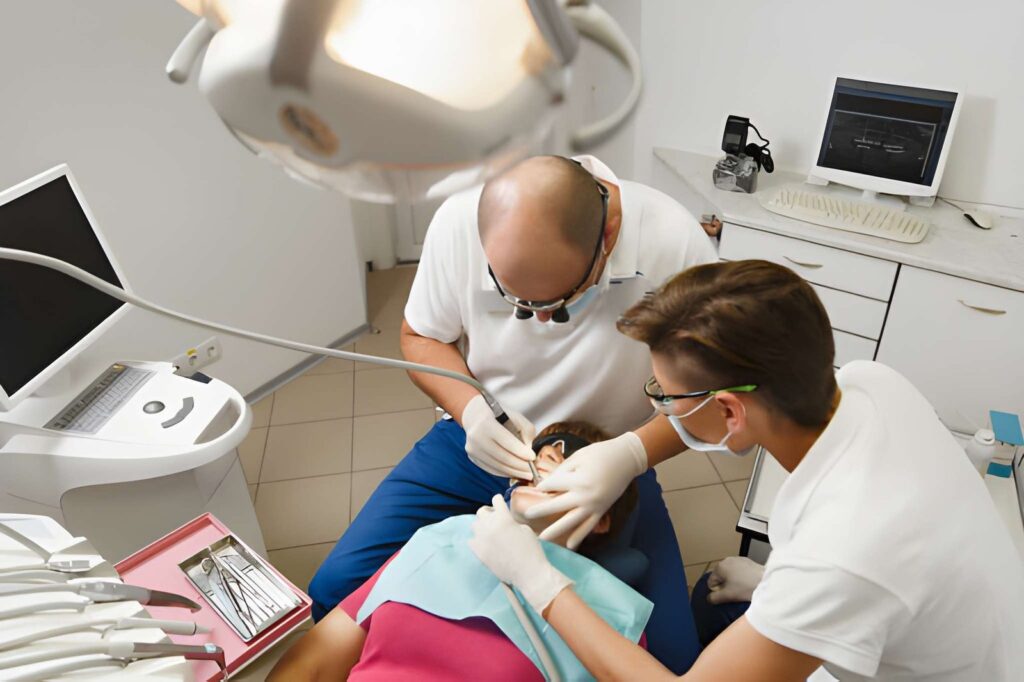
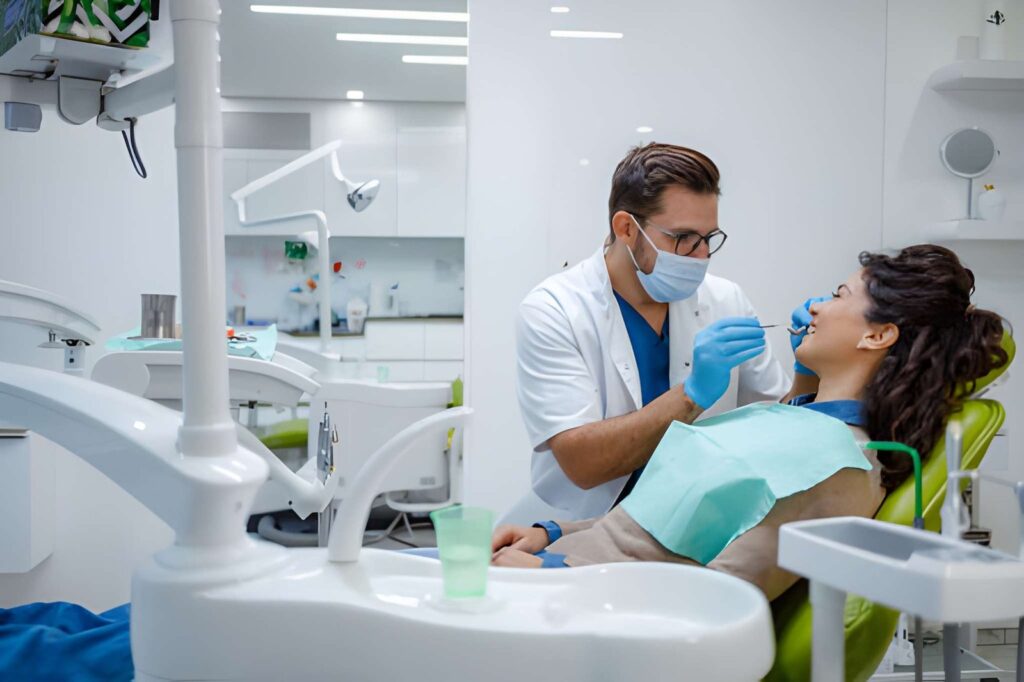
A dental assessment is more than simply checking for cavities. It provides a complete overview of your oral health, helping dentists identify early signs of problems and recommend the right preventive or restorative care. If you require urgent support, an Emergency Dentist in Kendal can also assess sudden dental concerns such as pain, swelling, or infection.
During a routine examination, your dentist will evaluate:
- Tooth condition and signs of decay
- Gum health and inflammation
- Existing fillings, crowns, or restorations
- Bite alignment and jaw function
- Soft tissues inside the mouth
- Signs of infection or other concerns
Early diagnosis allows problems to be treated sooner, making care simpler, more comfortable, and often more affordable.
What Pain Relief Options Are Available During NHS Dental Treatment in Kendal?
How Dentists Examine Your Teeth and Gums
The first step in diagnosis is a thorough visual examination. Your dentist carefully checks each tooth for cracks, cavities, sensitivity, and changes in colour or structure.
The gums are also assessed for signs of:
- Redness or swelling
- Bleeding during examination
- Gum recession
- Deep gum pockets
- Signs of periodontal disease
If gum problems are detected, your dentist may recommend professional cleaning, improved hygiene routines, or further periodontal treatment.
The Role of Dental X-Rays in Diagnosis
Some dental issues cannot be seen during a normal examination. Dental X-rays allow dentists to view areas beneath the surface of the teeth and gums.
X-rays help detect:
- Hidden tooth decay
- Infections around tooth roots
- Bone loss caused by gum disease
- Impacted teeth
- Problems below existing fillings
Digital X-rays provide detailed images quickly while using minimal radiation, supporting safer and more accurate diagnosis.
What Happens if You Delay Dental Treatment at an NHS Dentist in Kendal?
Advanced Technology in Modern Dentistry
Dental technology continues to improve the way oral health problems are identified. Many dental practices now use digital scanning, advanced imaging, and computer-assisted tools to support diagnosis.
These technologies help dentists:
- Detect problems earlier
- Improve treatment planning
- Monitor changes over time
- Provide clearer explanations to patients
Technology works alongside professional expertise, helping dentists make informed decisions about your care.
Can Dentists Detect Gum Disease Early?
Yes. Gum disease often develops gradually and may not cause pain in the early stages. Dentists assess gum health by checking for inflammation, bleeding, and changes in the supporting structures around teeth.
Early-stage gum disease, known as gingivitis, can often be managed with:
- Improved brushing and flossing
- Professional hygiene treatments
- Regular dental monitoring
If gum disease progresses, more advanced treatment may be needed to protect the teeth and surrounding bone.
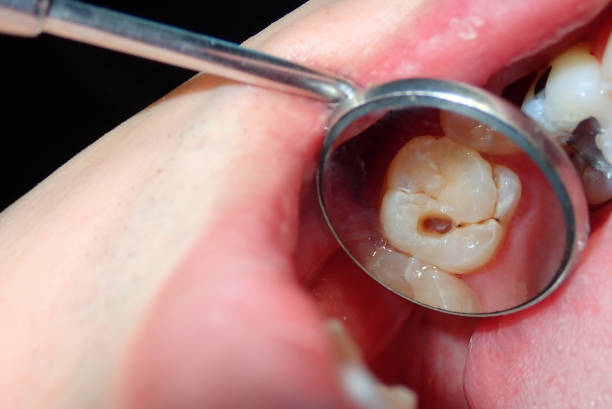
Detecting Tooth Decay Before It Gets Worse
Tooth decay begins when acids produced by bacteria damage the enamel. If detected early, dentists can often prevent further damage with simple treatments.
During an examination, dentists look for:
- Small cavities
- Weak areas in enamel
- Sensitivity points
- Changes visible on X-rays
Early intervention helps avoid larger fillings, infections, or more complex procedures.
The Growing Role of Artificial Intelligence in Dentistry
Artificial intelligence (AI) is becoming a useful support tool in modern dental diagnosis. AI systems can analyse dental images and help identify possible signs of decay, bone loss, or other abnormalities.
AI can support dentists by:
- Highlighting areas that need closer examination
- Improving consistency in image analysis
- Helping monitor oral health changes
However, AI does not replace dentists. The final diagnosis always depends on professional judgement, experience, and a complete patient assessment.
Why Patient History Matters
Accurate diagnosis is not only based on examination results. Your dentist will also review your medical and dental history.
Certain factors can affect oral health, including:
- Previous dental treatments
- Medications
- Lifestyle habits
- Medical conditions
- Family history of dental problems
Sharing accurate information helps your dentist provide safer and more effective care.
What Happens After a Dental Diagnosis?
After identifying any concerns, your dentist will explain the findings and discuss suitable options.
Your treatment plan may include:
- Preventive advice
- Professional cleaning
- Fillings
- Gum treatment
- Restorative procedures
- Further investigations if required
A personalised approach ensures your treatment matches your needs and long-term goals.
How Regular Check-Ups Protect Your Smile
Regular dental visits allow problems to be found before they become painful or expensive. Preventive care helps maintain healthy teeth and gums while reducing the risk of future complications.
A good oral health routine includes:
- Brushing twice daily with fluoride toothpaste
- Cleaning between teeth daily
- Limiting sugary foods and drinks
- Attending regular dental examinations
Book Your Dental Assessment in Kendal
Looking after your oral health starts with early detection and expert care. At Kendal Dental Aesthetics and Implant Clinic, our team provides thorough dental assessments using modern techniques to identify problems early and protect your smile.
Whether you need a routine check-up or have concerns about your teeth or gums, our experienced team is here to help.
Book your appointment today with Kendal Dental Aesthetics and Implant Clinic and take the first step towards a healthier smile.
FAQs
How often should I have a dental check-up?
Most patients benefit from regular dental visits every six months, but your dentist may recommend a different schedule based on your oral health needs.
Can dentists find problems without X-rays?
Yes, dentists can identify many issues through a visual examination, but X-rays reveal hidden problems that may not be visible.
Are dental X-rays safe?
Yes. Modern dental X-rays use very low radiation levels and are considered safe when used appropriately.
Can gum disease be reversed?
Early gum disease can often be improved with professional cleaning and better oral hygiene. Advanced gum disease can usually be managed with the right treatment.
Does AI replace dentists?
No. AI supports dentists by improving image analysis and diagnosis, but professional assessment remains essential.