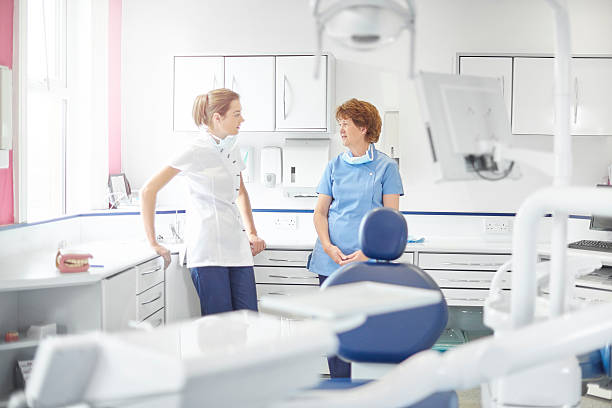
NHS dental treatment in Kendal offers several pain relief options, including local anaesthesia, painkillers, infection management, and sedation for suitable patients. The right option depends on the cause of the pain and the treatment required.
Dental pain can affect eating, sleeping, and daily activities. NHS dentists use a range of pain management techniques to keep patients comfortable during and after treatment. Understanding the available options can help you feel more confident when seeking urgent dental care.
Why Does Dental Pain Feel So Severe?
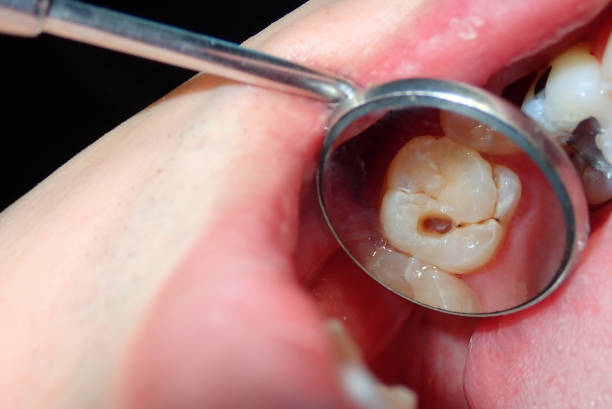
Dental pain is often intense because teeth contain a dense network of nerves. When infection, decay, or injury occurs, pressure builds within the tooth and surrounding tissues, causing significant discomfort that may spread to the jaw, ear, or head. Seeking prompt treatment is important not only to relieve pain but also to protect your long-term oral health, especially if you may require restorative solutions such as Affordable Dental Implants in Kendal following tooth loss or severe dental damage.
What Pain Relief Options Are Available During NHS Dental Treatment?
NHS dentists may use several methods to manage pain depending on your condition.
Common Pain Relief Options
- Local anaesthesia to numb the treatment area
- Ibuprofen for pain and inflammation
- Paracetamol for pain control
- Antibiotics when clinically necessary
- Emergency treatment to remove the source of pain
- Sedation for eligible patients with severe anxiety or complex procedures
How Do Emergency Dentists Relieve Dental Pain? (Step-by-Step)
Step 1: Examine the Problem
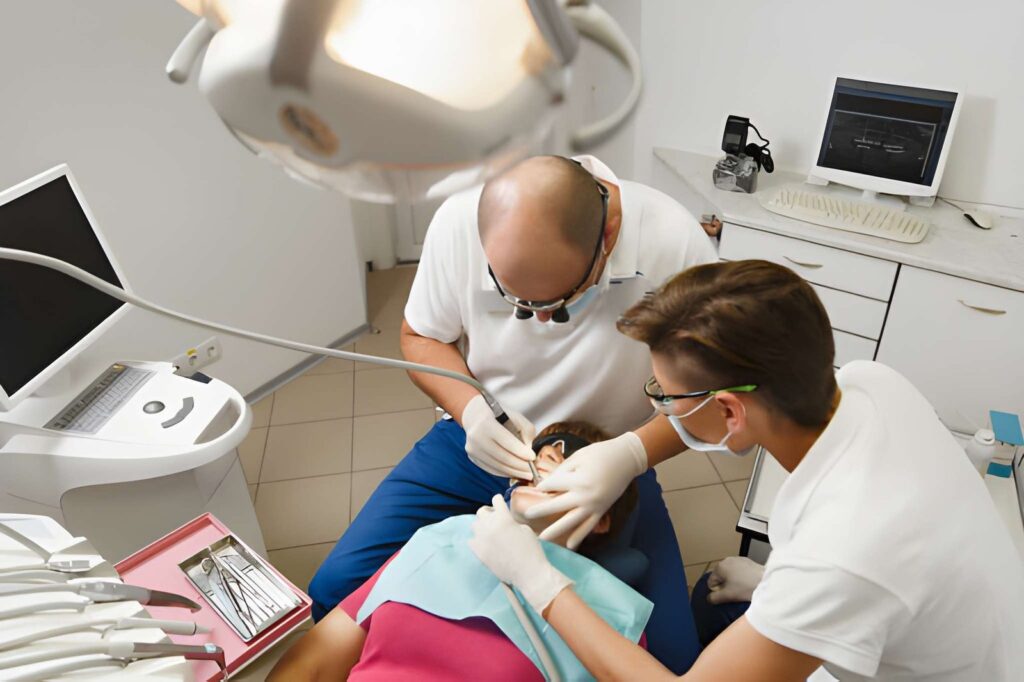
The dentist performs an examination and may take X-rays to identify the cause of the pain.
Step 2: Numb the Area
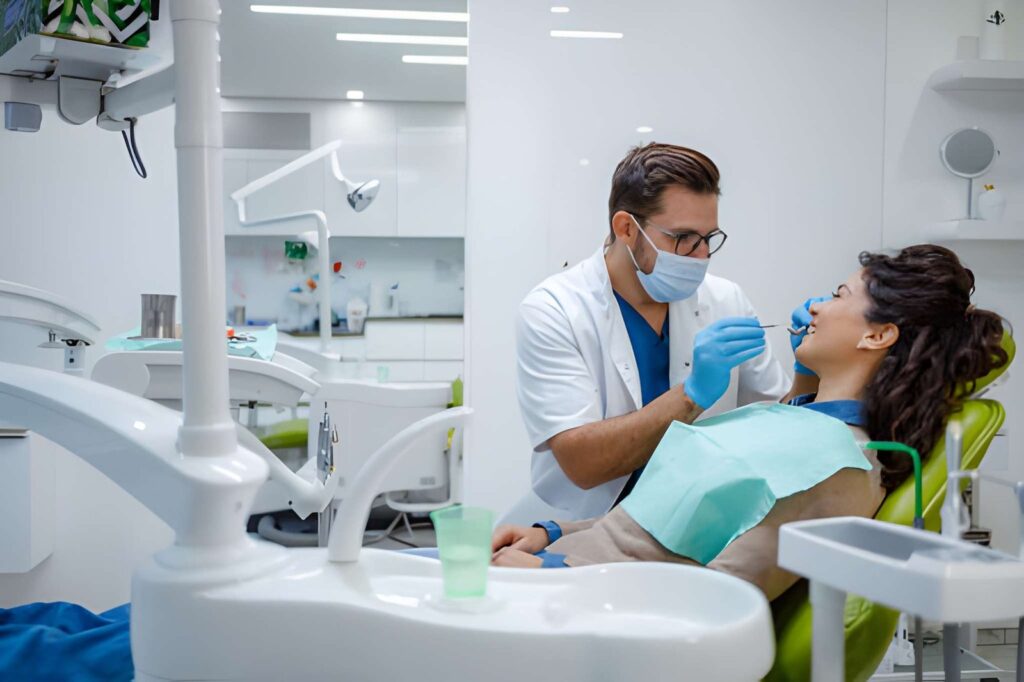
Local anaesthetic is administered to ensure the treatment is as comfortable as possible.
Step 3: Treat the Underlying Cause
Depending on the diagnosis, the dentist may:
- Drain an abscess
- Place a filling
- Perform root canal treatment
- Extract a damaged tooth
Step 4: Provide Ongoing Pain Management
Advice may include suitable painkillers, aftercare instructions, and antibiotics if required.
Local Anaesthesia During NHS Dental Treatment
Local anaesthetic is the most commonly used pain relief method. It temporarily blocks nerve signals from the treated area, allowing procedures such as fillings, root canal treatment, and extractions to be carried out comfortably.
Benefits of Local Anaesthesia
- Fast-acting pain control
- Safe and widely used
- Suitable for most dental procedures
- Lasts several hours after treatment
Can Sedation Be Used During NHS Dental Treatment?
In some cases, sedation may be available for patients with severe dental anxiety or specific treatment needs.
Types of Sedation
- Nitrous oxide (laughing gas)
- Oral sedation
- Intravenous (IV) sedation
Availability depends on clinical assessment and local NHS services.
Pain Relief After Dental Treatment
Once treatment is complete, discomfort is usually managed with:
- Ibuprofen
- Paracetamol
- Cold compresses
- Warm salt-water rinses
- Following aftercare instructions
Most patients experience gradual improvement within a few days.
What Can You Do Before Seeing an Emergency Dentist?
- Take painkillers according to the instructions
- Use a cold compress for swelling
- Rinse with warm salt water
- Avoid very hot, cold, or sugary foods
- Keep the area clean with gentle brushing
NHS Dental Services Available for Dental Pain
The NHS provides clinically necessary dental treatment, including:
- Emergency appointments
- Examinations
- X-rays
- Fillings
- Root canal treatment
- Tooth extractions
- Preventive care
Why Prompt Treatment Matters
Seeking treatment quickly helps:
- Prevent infection from spreading
- Reduce pain sooner
- Avoid more complex procedures
- Protect long-term oral health
Need Urgent Dental Pain Relief in Kendal?
If you are experiencing severe tooth pain, swelling, or a dental emergency, the team at Kendal Dental Aesthetics and Implant Clinic can provide prompt assessment and treatment. Early intervention can relieve discomfort quickly and help prevent more serious dental problems. Contact our team today to arrange an emergency appointment.
FAQs
What is the most common pain relief used during NHS dental treatment?
Local anaesthesia is the most commonly used option because it effectively numbs the treatment area during procedures.
Does NHS dental treatment include pain relief for a toothache?
Yes. NHS dentists provide clinically necessary treatment to address the source of pain and may recommend suitable pain relief options.
How long does dental anaesthesia last?
Most local anaesthetics last between two and four hours, depending on the medication used and the treatment provided.
Are antibiotics always prescribed for dental infections?
No. Antibiotics are only prescribed when clinically necessary. Dentists aim to remove the source of infection whenever possible.
Can I receive sedation on the NHS?
Sedation may be available for eligible patients based on clinical need, anxiety levels, and local NHS service availability.
Author
Dental Content Team
Last Updated
4 June 2026