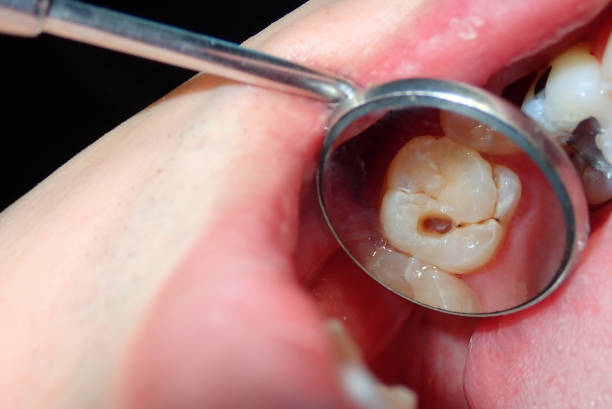

Gum disease is one of the most common oral health problems treated in NHS dental clinics in Kendal. It can start quietly and progress without pain, which is why many patients only notice it once damage has already begun. NHS dentists focus on early detection, effective cleaning, and long-term prevention to protect gums, teeth, and overall oral health.
Understanding Gum Disease
Gum disease, also known as periodontal disease, is an infection that affects the gums and supporting structures of the teeth. It usually begins with gingivitis, a mild inflammation of the gums. If left untreated, it can progress into periodontitis, where bone and tissue supporting the teeth are damaged. In severe cases, patients may need to contact the Best Emergency Dentist in Kendal for urgent assessment and immediate treatment to prevent further complications.
Early Diagnosis in NHS Clinics
NHS dentists in Kendal start by carefully assessing gum health during routine check-ups.
They typically:
- Measure gum pocket depths
- Check for bleeding or swelling
- Assess plaque and tartar build-up
- Use X-rays if bone loss is suspected
This helps identify whether the condition is mild, moderate, or advanced, allowing for the right treatment plan.
What Pain Relief Options Are Available During NHS Dental Treatment in Kendal?
Professional Cleaning (Scaling and Polishing)
For early-stage gum disease, the most common treatment is professional cleaning.
This includes:
- Removing plaque from tooth surfaces
- Clearing tartar above the gumline
- Polishing teeth to smooth surfaces
This treatment helps reduce inflammation and allows gums to heal naturally.
Deep Cleaning (Root Surface Debridement)
If gum disease has progressed, NHS dentists may recommend deep cleaning, also known as root surface debridement.
This procedure:
- Removes bacteria from beneath the gums
- Cleans root surfaces thoroughly
- Helps gums reattach to teeth
It is usually carried out under local anaesthetic for comfort and may be done over multiple visits depending on severity.
Ongoing Maintenance and Monitoring
After treatment, NHS dentists in Kendal focus heavily on maintenance care.
This includes:
- Regular hygiene appointments
- Monitoring gum pocket depth
- Reinforcing oral hygiene techniques
- Preventing disease recurrence
Consistent follow-ups are essential to ensure long-term gum health.
Patient Education and Home Care Advice
A major part of treatment is helping patients improve their daily oral hygiene.
Dentists often recommend:
- Brushing twice daily with fluoride toothpaste
- Using interdental brushes or floss
- Reducing sugar intake
- Stopping smoking
Good home care is just as important as clinical treatment in preventing gum disease from returning.
Link Between Gum Disease and General Health
NHS dentists also educate patients about the wider impact of gum disease. Research suggests links between periodontal disease and conditions such as heart disease, diabetes, and respiratory issues.
By treating gum disease early, patients are not only protecting their smile but also supporting overall health.
Preventing Gum Disease in Kendal NHS Patients
Prevention is always the goal. Dentists encourage regular check-ups so problems can be detected early.
Key prevention steps include:
- Routine dental visits
- Professional cleaning when advised
- Daily cleaning habits
- Avoiding smoking and excess sugar
Small changes in daily habits can significantly reduce the risk of gum disease.
What Happens if You Delay Dental Treatment at an NHS Dentist in Kendal?
When to See an NHS Dentist Urgently
You should seek urgent dental care if you experience:
- Severe gum pain
- Swelling or pus around the gums
- Loose teeth
- Persistent bleeding
Early intervention can prevent irreversible damage.
Final Thoughts
NHS dentists in Kendal treat gum disease using a structured approach that includes diagnosis, professional cleaning, deep treatment when needed, and long-term prevention. The focus is always on stopping disease progression early and helping patients maintain healthy gums for life.
Need Urgent Dental Help?
If you are experiencing symptoms of gum disease such as bleeding gums, swelling, or pain, contact Kendal Dental Aesthetics and Implant Clinic today to book an urgent appointment and receive expert care to protect your oral health.
FAQs
Can gum disease be reversed?
Yes, early-stage gingivitis can often be reversed with good oral hygiene and professional cleaning.
Is gum disease treatment painful?
Most treatments are comfortable and often done under local anaesthetic if deeper cleaning is required.
How often should I see a dentist for gum health?
Every 6–12 months, or more often if you have active gum disease.
What causes gum disease?
It is mainly caused by plaque build-up from poor oral hygiene, smoking, and high sugar intake.
Can I stop gum disease from coming back?
Yes, with good daily cleaning, regular dental visits, and lifestyle changes.