Regular NHS dental examinations play an important role in maintaining healthy teeth and gums. They allow your dentist to identify problems early, provide preventive advice, and recommend treatment before minor issues become more serious.
If you’re visiting an NHS dentist in Kendal, understanding what happens during a routine examination can help you feel more confident and prepared for your appointment.
What Is an NHS Dental Examination?
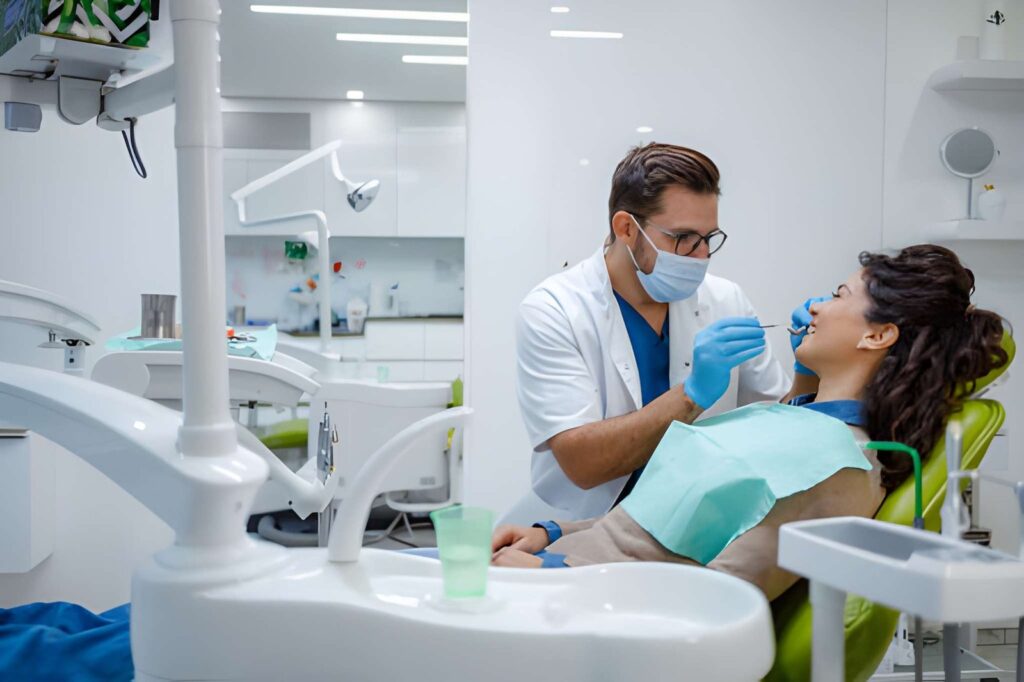
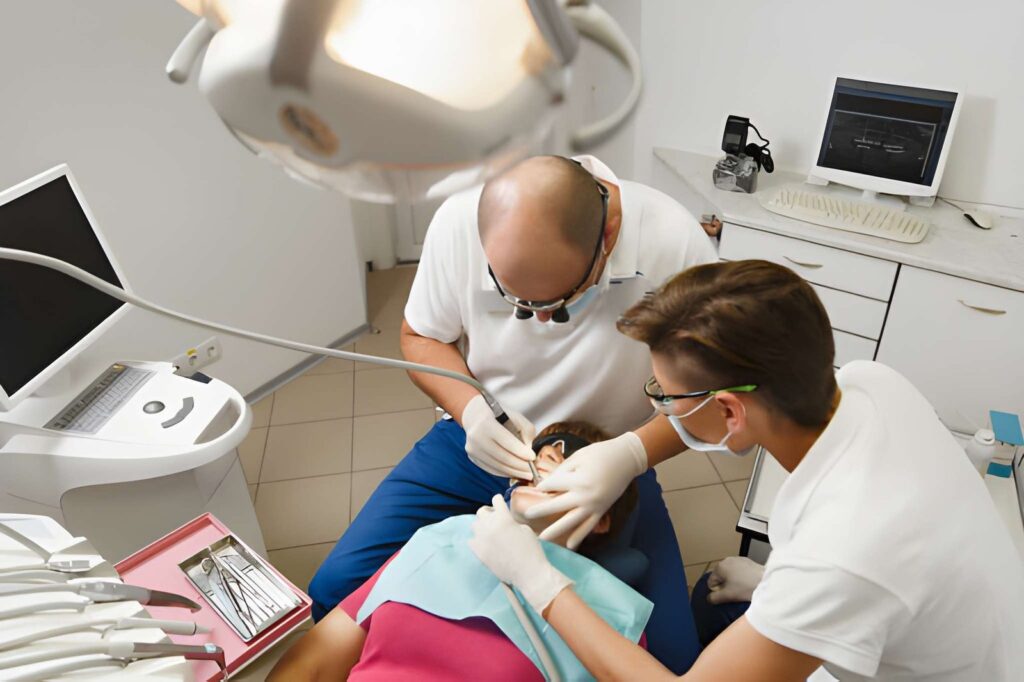
An NHS dental examination is a comprehensive assessment of your oral health. Rather than simply checking for cavities, your dentist examines your teeth, gums, mouth, and surrounding tissues to detect any signs of disease or other dental concerns.
The aim is to maintain good oral health through early diagnosis, preventive care, and personalised treatment recommendations.
What Pain Relief Options Are Available During NHS Dental Treatment in Kendal?
What Does an NHS Dental Examination Include?
During a routine NHS dental examination, your dentist will carry out several important checks.
These typically include:
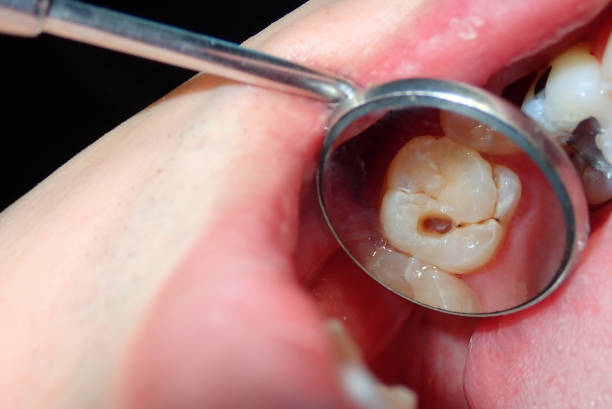
- Examining your teeth for decay or damage
- Checking your gums for signs of gum disease
- Assessing existing fillings, crowns, bridges, or dentures
- Looking for signs of infection or oral disease
- Examining the tongue, cheeks, palate, and other soft tissues
- Assessing your bite and jaw function
- Screening for signs of oral cancer where appropriate
- Discussing your oral hygiene routine
- Providing advice on improving your dental health
Every examination is tailored to your individual needs.
New Patient Assessment
If you’re attending an NHS dental practice for the first time, your appointment will usually be more detailed.
Your dentist may:
- Discuss your medical history
- Review any medications you take
- Ask about previous dental treatment
- Discuss any symptoms or concerns
- Carry out a full oral examination
- Develop a personalised treatment plan if required
This allows your dentist to gain a complete understanding of your oral health.
Routine Dental Check-Ups
Routine examinations help monitor your dental health over time.
During these appointments, your dentist will:
- Check for new tooth decay
- Monitor gum health
- Review previous dental work
- Assess any changes since your last visit
- Offer preventive advice
- Recommend treatment if necessary
Regular check-ups often help identify problems before they become painful or expensive to treat.
Dental X-Rays
Dental X-rays are only taken when clinically necessary.
They help your dentist identify problems that cannot always be seen during a visual examination, including:
- Hidden tooth decay
- Bone loss
- Dental infections
- Impacted teeth
- Root problems
- Changes beneath existing fillings
Your dentist will explain why an X-ray is needed before taking one.
Preventive Dental Care
A key part of every NHS dental examination is preventing future dental problems.
Preventive advice may include:
- Correct brushing techniques
- Flossing guidance
- Diet recommendations
- Sugar reduction advice
- Fluoride recommendations
- Smoking cessation advice where appropriate
Small lifestyle changes can significantly improve long-term oral health.
Are Dental X-Rays Always Required at NHS Dental Appointments in Kendal?
Gum Health Assessment
Healthy gums are essential for maintaining healthy teeth.
During your examination, your dentist checks for:
- Bleeding gums
- Swelling
- Gum recession
- Plaque build-up
- Calculus (tartar)
- Signs of gum disease
Early treatment helps prevent more advanced periodontal problems.
Oral Cancer Screening
Many NHS dental examinations include a routine oral cancer screening.
Your dentist examines:
- Lips
- Tongue
- Cheeks
- Roof of the mouth
- Floor of the mouth
- Throat
This simple examination helps detect unusual changes that may require further investigation.
Personalised Treatment Planning
If your dentist identifies any problems, they will explain:
- The condition found
- Available treatment options
- Whether treatment is clinically necessary
- The expected treatment process
- Timescales involved
You will have the opportunity to ask questions before making any decisions.
How Often Should You Have an NHS Dental Examination?
The frequency of your examinations depends on your oral health.
Many adults benefit from check-ups every 6 to 12 months, while patients with excellent oral health may only need examinations less frequently. Those with ongoing dental problems may require more regular reviews.
Your dentist will recommend the most appropriate recall interval for you.
Urgent Dental Care
Even if you are not currently registered with an NHS dentist, you may still be able to access urgent dental care if you experience:
- Severe toothache
- Swelling
- Dental infection
- Trauma to the teeth
- Uncontrolled bleeding
- Lost temporary restorations causing pain
Urgent appointments focus on relieving pain and stabilising the problem.
Free NHS Dental Treatment
Some patients may qualify for free NHS dental treatment depending on their circumstances.
Eligibility may include:
- Children and young people meeting NHS criteria
- Pregnant women
- Mothers within the qualifying period after childbirth
- People receiving certain qualifying benefits
If you think you may be eligible, speak to your dental practice before your appointment and bring any required evidence.
Why Regular NHS Dental Examinations Matter
Routine examinations do much more than identify cavities.
Regular visits help:
- Prevent dental disease
- Detect problems early
- Maintain healthy gums
- Protect existing dental work
- Improve long-term oral health
- Reduce the need for complex treatment
Preventive care remains the most effective way to keep your smile healthy.
Why Choose Kendal Dental Aesthetics and Implant Clinic?
Trusted NHS and Private Dental Care in Kendal
At Kendal Dental Aesthetics and Implant Clinic, we are committed to providing high-quality dental care in a friendly and welcoming environment. Our experienced team offers comprehensive NHS dental examinations, preventive care, restorative treatments, and cosmetic dentistry tailored to your individual needs.
Whether you’re attending for a routine check-up or require further treatment, we focus on helping you achieve excellent oral health with personalised care and clear advice at every step.
Book your appointment with Kendal Dental Aesthetics and Implant Clinic today and take the next step towards a healthier smile.
Conclusion
An NHS dental examination is a comprehensive assessment designed to protect your oral health through early diagnosis, preventive care, and personalised advice. Regular check-ups allow your dentist to identify problems before they worsen, helping you maintain healthy teeth and gums for years to come.
By attending routine appointments and following professional oral hygiene advice, you can reduce the risk of future dental problems and enjoy a healthier smile.
Frequently Asked Questions
What is included in an NHS dental examination?
An NHS dental examination usually includes an assessment of your teeth, gums, mouth, bite, existing dental work, oral cancer screening where appropriate, and personalised oral health advice.
Will I need dental X-rays during every examination?
No. X-rays are only taken when your dentist believes they are clinically necessary to diagnose or monitor dental conditions.
How often should I have an NHS dental check-up?
Your dentist will recommend a recall schedule based on your oral health. Many adults attend every 6 to 12 months, although some patients may need more or less frequent examinations.
Can I receive urgent NHS dental care if I’m not registered?
Yes. Urgent NHS dental care is available for emergency dental problems even if you are not currently registered with an NHS dental practice.
What happens if my dentist finds a problem during the examination?
Your dentist will explain the diagnosis, discuss your treatment options, and create a personalised treatment plan before any further treatment begins.