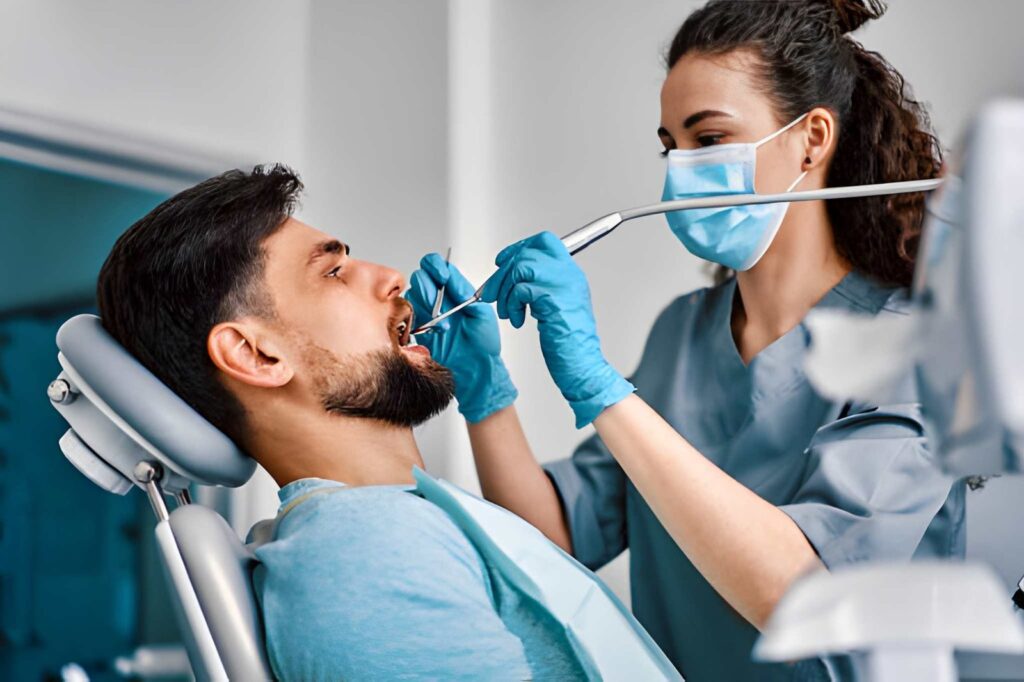
Delaying treatment at an NHS Dentist Kendal patients rely on can allow minor dental problems to become more serious and costly. Early treatment helps prevent pain, infection, tooth loss, and more complex procedures in the future.
Many dental problems start small and may not cause immediate discomfort. However, delaying treatment can lead to worsening symptoms and more extensive dental work later. Understanding the risks of postponing care can help you protect your oral health and avoid unnecessary complications.
Why Should You Not Delay Dental Treatment?
An NHS Dentist Kendal patients visit regularly can identify and treat problems before they become serious. Delaying treatment allows issues such as decay, gum disease, and infections to progress, often requiring more complex care.
What Problems Can Get Worse Over Time?
Common dental issues that may worsen include:
- Tooth decay and cavities
- Gum disease
- Dental infections
- Broken or cracked teeth
- Loose fillings or crowns
- Tooth sensitivity
- Bite problems
- Bad breath caused by underlying conditions
What Happens If You Delay Dental Treatment?
Step 1: Minor Problems Progress
Small cavities, early gum disease, or minor cracks can worsen without treatment.
Step 2: Symptoms Become More Noticeable
You may experience pain, sensitivity, swelling, bleeding gums, or difficulty chewing.
Step 3: Treatment Becomes More Complex
A simple filling may become a root canal treatment, crown, or extraction if decay spreads.
Step 4: Risk of Infection Increases
Untreated dental infections can spread to surrounding teeth, gums, and jawbone.
Step 5: Costs and Recovery Time May Increase
More advanced treatment often requires additional appointments and longer recovery periods.
What Happens if You Delay Dental Treatment at an NHS Dentist in Kendal?
How Can Regular Dental Visits Help?
Routine check-ups help detect problems early. Benefits include:
- Early diagnosis of dental issues
- Prevention of tooth loss
- Reduced risk of infection
- Better long-term oral health
- Lower likelihood of emergency treatment
- Professional cleaning and oral health advice
When Should You See an NHS Dentist?
Book an appointment if you experience:
- Toothache
- Bleeding gums
- Swelling in the mouth or face
- Loose teeth
- Broken fillings or crowns
- Persistent bad breath
- Sensitivity to hot or cold foods
Book an Appointment at Kendal Dental Aesthetics and Implant Centre
Delaying dental treatment can turn a minor issue into a more serious problem that requires extensive care. At Kendal Dental Aesthetics and Implant Centre, our experienced team provides comprehensive NHS and private dental services to help patients maintain healthy teeth and gums. Whether you need a routine check-up, treatment for tooth pain, or advice about a dental concern, we are here to help. Early diagnosis and treatment can prevent complications, reduce discomfort, and protect your long-term oral health. Contact Kendal Dental Aesthetics and Implant Centre today to schedule your appointment and keep your smile healthy and strong.
FAQs
Can a small cavity get worse if left untreated?
Yes. Tooth decay does not heal on its own and can spread deeper into the tooth over time.
What happens if I ignore a dental infection?
A dental infection can worsen and may spread to nearby tissues, causing significant pain and complications.
Can delaying treatment lead to tooth loss?
Yes. Untreated decay and advanced gum disease are common causes of tooth loss.
How often should I visit an NHS dentist?
Most patients benefit from regular check-ups every 6 to 12 months, although your dentist may recommend a different schedule based on your needs.
Is it better to treat dental problems early?
Yes. Early treatment is usually simpler, less invasive, and more effective than waiting until symptoms become severe.
Last Updated: 1 June 2026
Author: Dental Health Content Team