What is the 3:2 Rule for Implant Placement?
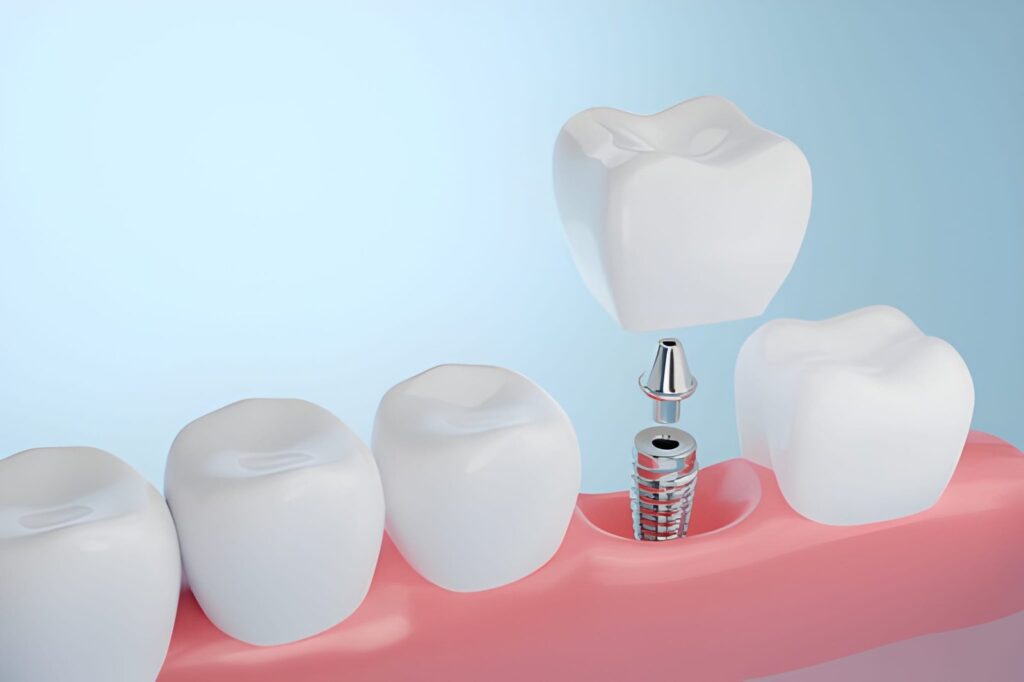
The 3:2 rule is a key principle in implant dentistry used to guide proper implant length and placement, ensuring a balance between aesthetics, bone support, and long-term function. It suggests that for every three parts of implant length within bone, there should be approximately two parts of visible restoration above the gum line. This proportion enhances structural stability and helps distribute biting forces effectively without overloading the bone.
Why is the 3:2 Rule Important?
This rule provides a standardised reference that helps clinicians achieve both functional and aesthetic outcomes. Implants that are too short or disproportionate may lead to bone loss or mechanical failure over time. By maintaining an optimal ratio, the 3:2 rule ensures consistent integration and longevity of the implant, especially in the anterior region where appearance is as vital as performance.
The Science Behind the 3:2 Rule
From a biomechanical perspective, the 3:2 rule reflects the need for an adequate bone-to-implant contact ratio. The deeper integration into healthy bone allows for improved osseointegration and stress distribution during chewing. This principle minimises micromovement, which is crucial for long-term success, particularly in areas of high functional demand or reduced bone density. Unlike dentures in Kendal, which rely on surface support and can experience movement under load, this stability is a key advantage of implant-based systems.
Biomechanics and Implant Longevity
Implant longevity depends largely on how forces are transferred through the prosthetic structure to the bone. The 3:2 proportion helps guard against excessive lateral stress and potential overloading, which could compromise the bone’s integrity. Following this rule allows dentists to provide stable and predictable outcomes even in complex clinical cases.
How Dentists Examine Bone Levels
Before placing an implant, dentists use advanced diagnostic imaging such as digital radiographs or cone-beam CT scans to assess bone height, density, and quality. This information helps determine if the 3:2 ratio can be achieved naturally or if bone grafting or augmentation may be necessary. Accurate assessment ensures the implant has sufficient support and correct angulation for optimal aesthetics and durability.
What Happens if the 3:2 Rule Cannot Be Met?
There are situations where available bone height isn’t enough to support the ideal implant length. In such cases, clinicians may recommend bone augmentation procedures, shorter implants designed for limited spaces, or alternative placement angles that preserve the integrity of nearby structures. The goal remains consistent: maintain an effective balance between implant stability and crown height to prevent unfavourable load distribution.
Implementing the 3:2 Rule in Advanced Implant Dentistry
In advanced cases, such as full-mouth restorations or anterior implant placement, the 3:2 rule serves as a guiding framework but may be adapted to suit individual anatomy and aesthetic demands. Advanced digital planning tools enable dentists to visualise ideal placement depth, emergence profile, and prosthetic contours, aligning both form and function.
Key Considerations Beyond the 3:2 Rule
While the 3:2 rule provides a helpful baseline, successful implant outcomes depend on several additional factors such as bone quality, soft-tissue management, prosthetic materials, and occlusal design. Patient-specific elements like medical history, oral hygiene, and bite alignment also play a significant role in determining long-term success. Therefore, dentists often integrate the rule with other scientific principles and clinical judgement for tailored implant planning.
Bone Support and Aesthetic Outcomes
Bone support is not only crucial for stability but also for achieving a natural-looking gum line. Adequate bone prevents tissue recession and preserves the appearance of the restoration. In the aesthetic zone, precise adherence to the 3:2 ratio helps maintain symmetrical tooth proportions and an authentic smile profile.
Dental Implant Maintenance Tips
Once the implant is placed, consistent maintenance is essential. Patients should follow these key practices:
- Brush twice daily with a soft-bristled toothbrush.
- Floss gently around the implant crown or use interdental brushes.
- Attend regular dental check-ups to monitor bone health and implant stability.
- Avoid habits such as grinding or chewing hard objects that can stress the implant.
Maintaining good oral hygiene not only protects the implant but also ensures the supporting bone and gums stay healthy over time.
Achieving a Confident Smile with Implants
When the 3:2 rule and other key implant protocols are followed meticulously, patients benefit from restorations that look, feel, and function like natural teeth. The result is a durable, comfortable bite and a confident smile that lasts for years.
Conclusion
The 3:2 rule remains a trusted guideline in dental implantology that supports predictable results through balanced implant proportions. By considering bone support, biomechanics, and aesthetic harmony, dental professionals can ensure every implant fits seamlessly within the patient’s smile. A Kendal dentist in Kendal carefully applies this principle during treatment planning. Whether you’re replacing a single tooth or undergoing a complex restoration, understanding this rule underscores the science behind reliable and beautiful outcomes.
Key Takeaways
- The 3:2 rule ensures an ideal implant-to-restoration ratio for optimal function and aesthetics.
- Proper bone support is crucial to maintain implant stability and prevent tissue loss.
- Regular maintenance extends the life and health of dental implants.
- Advanced imaging and planning enhance accuracy and predictability.
- Each case should balance science, skill, and personalisation for long-term success.
FAQs
What exactly does the 3:2 rule represent in implant dentistry?
It means that for every three parts of implant length below the gum line, two parts of visible restoration above should maintain proportion for optimal biomechanical performance.
Can the 3:2 rule be modified for different bone types?
Yes. In softer bone types or limited bone height scenarios, the ratio may be adjusted or supplemented by bone grafting to achieve functional stability.
Is the 3:2 rule only applicable to anterior implants?
No, while it’s particularly useful in anterior cases due to aesthetic demands, it also helps guide implant placement in posterior regions for balanced force distribution.
What happens if an implant doesn’t follow the 3:2 principle?
Ignoring proper proportion may lead to overloading, bone resorption, or aesthetic imbalances, compromising long-term success.
How can patients help ensure their implants last?
Good oral hygiene, regular dental visits, and adherence to dentist-recommended maintenance practices are essential for sustaining implant health over time.