

An extreme dental emergency is a serious oral health condition that requires immediate treatment to stop severe pain, control bleeding, or prevent infection from spreading. Delaying care can lead to permanent damage or wider health risks.
What counts as an extreme dental emergency?
Severe pain, heavy bleeding, infection, or trauma (such as a knocked-out tooth or facial swelling affecting breathing) that needs urgent dental or medical attention.
What Constitutes an Extreme Dental Emergency?
Extreme dental emergencies involve conditions that cannot wait for a routine appointment. These include:
Severe Toothache with Swelling or Fever
Intense, persistent pain may indicate deep infection or nerve damage. If combined with swelling or fever, it can signal a spreading infection requiring urgent care.
Knocked-Out Tooth
A tooth that has been completely dislodged must be treated immediately. Seeing a dentist within 30–60 minutes gives the best chance of saving it.
Fractured or Broken Tooth
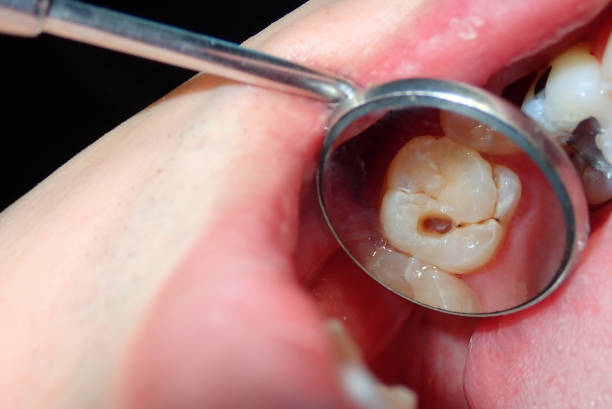
A deep crack or break exposing the inner tooth can cause severe pain and increase infection risk. Immediate assessment is necessary.
Dental Abscess or Infection
An abscess is a serious infection that can spread to other parts of the body. Symptoms include swelling, pus, bad taste, and fever.
Soft Tissue Injuries
Cuts or tears to the gums, lips, or cheeks with heavy bleeding require urgent care, especially if bleeding does not stop.
Lost Crowns or Fillings with Pain
If a restoration falls out and exposes sensitive tissue, it can lead to pain and further damage if untreated.
Severe Jaw Pain or Trauma
Jaw injuries, fractures, or dislocation can affect breathing, eating, and speaking. These require immediate attention.
Do Emergency Dentists Do Fillings? Complete Guide
When to Go to A&E or Call 999
Seek emergency medical help if you have:
- Swelling affecting breathing or swallowing
- Heavy, uncontrolled bleeding
- Severe facial or jaw trauma
- Signs of infection spreading (high fever, difficulty opening mouth)
These conditions can be life-threatening.
What to Do in an Extreme Dental Emergency
Taking the right steps quickly can improve outcomes:
- Stay calm and assess the situation
- Contact a dentist or emergency service immediately
- Rinse your mouth gently with warm water
- Apply a cold compress to reduce swelling
- Take ibuprofen or paracetamol for pain (avoid placing aspirin on gums)
- Apply pressure to control bleeding
- Preserve a knocked-out tooth in milk or saline
- Do not delay seeking professional care.
Can Emergency Dentists Do Tooth Extractions?
Why Immediate Treatment Matters
Delaying treatment can lead to:
- Worsening infection
- Tooth loss
- Increased pain and complications
- Longer recovery time
Early intervention helps protect both oral and overall health.
Preventing Dental Emergencies
While not all emergencies can be avoided, you can reduce risk by:
- Brushing twice daily and flossing regularly
- Attending routine dental check-ups
- Treating minor issues early
- Wearing a mouthguard during sports
- Avoiding hard foods that can crack teeth
Prevention is the most effective way to avoid urgent dental problems.
Conclusion
Extreme dental emergencies require immediate attention to prevent serious complications. Recognising the signs and acting quickly can save your teeth and protect your health. If in doubt, always seek professional advice without delay.
Frequently Asked Questions
How can I manage severe tooth pain at home?
Use warm salt water rinses, pain relief medication, and cold compresses until you see a dentist.
What should I do if I knock out a tooth?
Handle it by the crown, rinse gently, and store it in milk or saline. Seek care immediately.
Are all dental issues emergencies?
No. Minor issues can wait, but severe pain, swelling, or bleeding require urgent care.
What causes a dental abscess?
A bacterial infection inside the tooth or gum leading to pus, swelling, and pain.
Can I go to A&E for dental problems?
Yes, for severe swelling, bleeding, or trauma, but follow-up dental care is required.
How can I prevent dental emergencies?
Maintain good oral hygiene, attend check-ups, avoid hard foods, and wear protective gear during sports.
Author
Written by: Dental Content Team
Reviewed by: Qualified Dental Professional
Last Updated: July, 2026