Delaying dental treatment may seem harmless at first, especially if symptoms are mild or intermittent. However, when oral health issues are left untreated, they can quickly worsen and lead to more complex, costly, and uncomfortable problems. Understanding the risks of postponing care at an NHS dentist in Kendal can help you make timely decisions that protect your long-term oral health.
Small Problems Can Become Serious Quickly
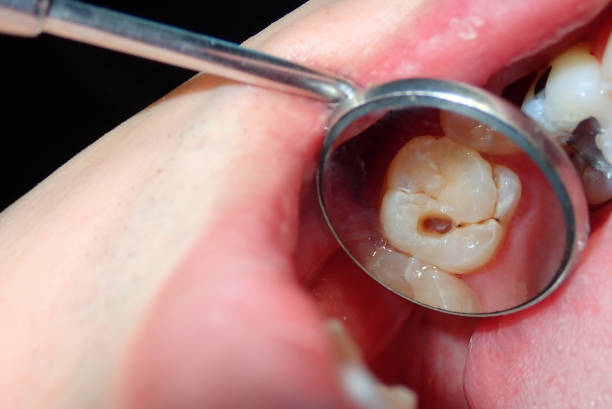
Many dental issues begin subtly. A small cavity, slight gum inflammation, or mild tooth sensitivity might not feel urgent. However, without treatment, these conditions can progress rapidly. Tooth decay can spread deeper into the tooth, eventually reaching the nerve and causing severe pain or infection. What could have been treated with a simple filling may later require root canal therapy or even extraction. Dental extraction clinic Kendal can provide safe and professional treatment when a tooth cannot be saved, helping to relieve pain and protect your overall oral health.
Increased Risk of Tooth Infection
One of the most significant risks of delaying treatment is infection. When bacteria reach the inner layers of the tooth, an abscess can form. This can cause swelling, intense pain, and sometimes fever or facial swelling. In severe cases, dental infections can spread to other parts of the body, making prompt treatment essential for your overall health and wellbeing.
Higher Treatment Costs in the Long Run
Although NHS dental care is cost-effective, delaying treatment often leads to more advanced procedures being required later. A filling is far more straightforward than a root canal or extraction followed by a replacement tooth. By postponing care, patients may ultimately face more complex treatment plans and longer recovery times. In many cases, root canal treatment in Kendal is necessary when decay or infection reaches the inner pulp of the tooth, allowing dentists to remove the infection and preserve the natural tooth instead of opting for extraction.
Risk of Tooth Loss
If dental decay or gum disease is left untreated, it can lead to permanent tooth loss. Once a tooth is lost, it may require replacement with a bridge, denture, or implant to restore function and appearance. Early intervention helps preserve natural teeth for as long as possible, which is always the preferred outcome in dentistry. Affordable dental implants Kendal can provide a long-lasting and reliable solution for replacing missing teeth while restoring both confidence and oral function.
Gum Disease Progression
Gum disease often develops gradually and painlessly, which means many patients do not notice it until it becomes advanced. Early stages such as gingivitis can be reversed with professional cleaning and improved oral hygiene. However, if left untreated, it can progress to periodontitis, leading to gum recession, bone loss, and eventually tooth mobility or loss.
Impact on Overall Health
Oral health is closely linked to general health. Research has shown connections between untreated dental disease and conditions such as heart disease, diabetes complications, and respiratory infections. Ignoring dental treatment does not just affect your mouth—it can have wider implications for your overall wellbeing.
Increased Pain and Discomfort
Many patients delay treatment to avoid dental visits, but ironically, this often results in greater discomfort later. Minor issues can develop into persistent pain that affects eating, sleeping, and daily life. Early treatment is usually quicker, simpler, and far more comfortable than emergency care for advanced conditions.
Emotional and Psychological Effects
Dental problems can also impact confidence and mental wellbeing. Visible decay, missing teeth, or persistent bad breath may affect self-esteem and social interactions. Addressing issues early helps maintain not only oral health but also confidence in your smile.
Difficulty in Treatment Later On
As dental problems progress, treatment can become more complex. For example, a small cavity may only require a simple filling, but if left too long, the tooth structure may be too damaged to save. This can limit treatment options and require more invasive procedures.
Importance of Regular NHS Dental Visits
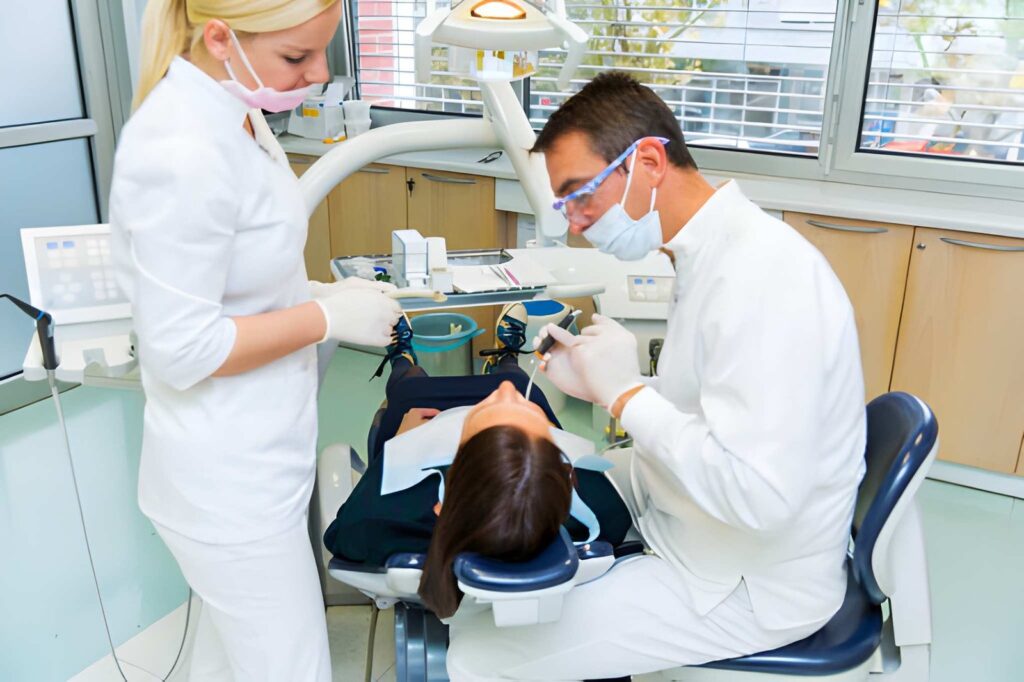
Routine check-ups at an NHS dentist are designed to catch problems early before they escalate. Preventive care, including professional cleaning and early diagnosis, plays a vital role in maintaining long-term oral health. Regular visits ensure that small issues are treated promptly and effectively.
Taking Action Early
The key to avoiding complications is early intervention. If you notice pain, sensitivity, bleeding gums, or any changes in your oral health, it is always best to seek advice as soon as possible. NHS dental teams are trained to assess and treat issues efficiently, helping you avoid unnecessary discomfort and expense.
Final Thoughts
Delaying dental treatment can lead to a range of avoidable problems, from increased pain and infection to higher treatment costs and tooth loss. Acting early ensures simpler, more effective care and protects both your oral and overall health. Regular check-ups and timely treatment are essential for maintaining a healthy smile for life.
FAQs
1. What happens if I ignore a small toothache?
A small toothache may indicate early decay or infection, which can worsen over time and require more extensive treatment if left untreated.
2. Can delayed dental treatment cause permanent damage?
Yes, delaying treatment can lead to irreversible damage such as tooth loss, gum disease progression, or bone deterioration.
3. Is emergency dental treatment more complicated if I wait too long?
Often yes, because the condition may have worsened, requiring more complex and urgent procedures.
4. How often should I visit an NHS dentist?
Most patients should attend regular check-ups every 6 to 12 months, depending on their oral health needs.
5. Can gum disease be reversed if treated early?
Yes, early-stage gum disease (gingivitis) can often be reversed with professional cleaning and good oral hygiene.
Final Note
Protecting your oral health starts with timely care and regular check-ups. Kendal Dental Aesthetics and Implant Centre is committed to providing high-quality NHS dental services to help patients maintain healthy, confident smiles through every stage of life.