The Untold Truth About Dental Implants
Dental implants have become one of the most effective and natural-looking solutions for missing teeth. Yet, many patients remain unaware of what truly goes into this transformative treatment. From the healing process to the long-term benefits, understanding the real journey of dental implants can help you make an informed decision for your smile.
Common Myths About Dental Implants
Many misconceptions circulate about dental implants. Some believe they’re only for the elderly or that they’re painful to maintain. In reality, implants suit adults of various ages with good oral health, and modern techniques make the process far more comfortable than most imagine. With proper care, implants can last a lifetime, proving that they’re more than just a temporary fix.
Dental Implants vs. Natural Teeth – Key Differences
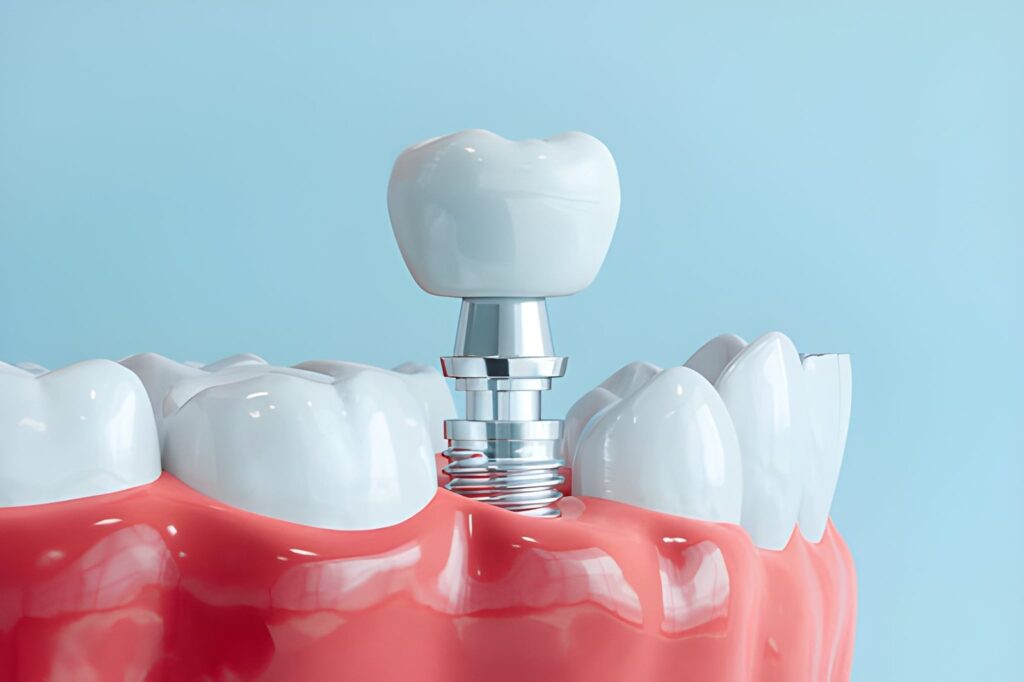
Implants are designed to mimic natural teeth both in appearance and function. The key difference lies beneath the surface: natural teeth rely on roots, while implants are anchored by titanium or zirconia posts integrated directly into the jawbone. This integration provides remarkable stability and prevents bone deterioration, something that dentures or bridges cannot achieve.
How Dental Implants Restore Oral Health
Missing teeth can lead to shifting, bone loss, and even changes in facial structure. Dental implants act as artificial roots, stimulating the jawbone to maintain density. This not only restores the mouth’s structure but also ensures better chewing ability and overall oral health.
The Impact on Bone Density and Jaw Health
When a tooth is lost, the supporting bone begins to resorb. Implants help counter this process by providing the stimulation bones need to remain strong. Over time, this preserves facial shape and prevents premature ageing often associated with tooth loss.
Why Implants Are Better Than Artificial Teeth Alternatives
Compared with dentures and bridges, implants offer superior stability and comfort. They don’t shift, slip, or require adhesives. More importantly, they protect adjacent natural teeth from being filed down for support, as is necessary with some bridgework.
What You Should Know About the Healing Process
Healing after dental implant surgery varies depending on individual health, bone density, and the number of implants placed. Usually, the initial discomfort subsides within a few days, while full osseointegration (bonding of the implant with bone) can take several months. During this period, patience is crucial, as this process determines the long-term strength of your implant.
What Healing After Dental Implants Feels Like
After surgery, mild swelling and tenderness are common, but discomfort is manageable with prescribed care instructions. Many patients return to normal activities within a few days. As the bone integrates, the implant becomes virtually indistinguishable in feel and function from natural teeth.
Why Patience Pays Off During Recovery
Although the treatment can span several months, the results are worth it. Rushing the process can risk incomplete healing. Allowing time for full integration ensures your implants last for decades and perform just like healthy natural teeth.
Advanced Tooth Replacement Options Beyond Traditional Implants
For patients needing extensive restoration, advanced techniques such as All-on-4, zygomatic implants, and zirconia fixed bridges provide tailored solutions. These innovations cater to different bone structures, aesthetic goals, and budget levels.
Exploring All-on-4 Full Mouth Implants
The All-on-4 technique replaces an entire arch of teeth using only four strategically placed implants. It’s a cost-effective, time-efficient solution for patients with multiple missing teeth, offering immediate functionality and a beautiful new smile.
Zygomatic Implants for Severe Bone Loss
In cases where bone loss prevents traditional implant placement, zygomatic implants are anchored in the cheekbone, providing stability without the need for complex bone grafting.
Zirconia Fixed Bridges for Aesthetic Excellence
For those seeking a metal-free, natural aesthetic, zirconia bridges offer strength and beauty. These highly polished restorations are durable, stain-resistant, and ideal for patients sensitive to metal.
Are Dental Implants Right for You?
While highly successful, implants aren’t suitable for everyone. Good oral hygiene, sufficient bone density, and general health are key factors. A consultation with your dentist will reveal whether you’re a good candidate and if any preparatory procedures are needed.
Factors to Consider Before an Appointment
Before scheduling your implant procedure, consider your medical history, lifestyle habits, and expectations. Smokers or those with uncontrolled health conditions may require additional treatment steps to ensure long-term success.
The Role of Your Dentist in Guiding the Process
Your dentist will be your partner throughout the journey—assessing bone health, creating a tailored treatment plan, performing the placement, and guiding postoperative care. A skilled dental team ensures comfort and success from start to finish.
Long-Term Benefits of Dental Implants for Oral Health
Dental implants go beyond aesthetics—they impact the entire mouth’s functionality and structure. Their stability enhances chewing efficiency, prevents bone loss, and promotes long-term oral health.
Improved Functionality and Natural-Looking Results
Implants deliver a natural appearance and feel that mimic real teeth. They remain secure when speaking or eating, instilling renewed confidence and comfort.
How Implants Protect Healthy Teeth
Implants safeguard adjacent teeth by eliminating the need for grinding and reducing stress on surrounding structures. Preservation of natural enamel supports a healthier, more stable smile overall.
Making an Informed Decision About Your Smile
Understanding both the pros and potential challenges of implants allows you to make a confident, informed choice. A good dentist will openly discuss timeline expectations, costs, and maintenance so you’re never left guessing.
Conclusion: The Truth About Dental Implants
Dental implants represent one of the most significant advances in modern dentistry. At Kendal Dentist, they restore function, protect bone health, and offer aesthetic confidence unmatched by other alternatives. When performed by skilled hands and maintained with proper care, implants truly can last a lifetime.
Call to Action: Ready to rediscover your smile? Book a consultation today and take the first step towards lasting dental health.
FAQs
1. How long does the dental implant process take?
Most treatments take between three to six months from placement to final restoration, depending on individual healing rates and treatment complexity.
2. Are dental implants painful?
Implant procedures are performed under anaesthesia, making them virtually painless. Any post-surgery discomfort can be managed easily with standard care.
3. How long do dental implants last?
With good oral hygiene and regular dental checks, implants can last decades, often a lifetime.
4. Can smokers get dental implants?
Smokers can receive implants, but smoking may delay healing and increase failure risks. Reducing or quitting smoking improves success rates significantly.
5. How do I maintain my dental implants?
Brush and floss daily, use non-abrasive toothpaste, and schedule regular professional cleanings to keep your implants in excellent condition.