
Whether you’re visiting a dentist for the first time or transitioning to a new dental practice, it’s natural to feel nervous. This guide will walk you through exactly what to expect—from booking your appointment to post-visit advice. With clear explanations of each step of the process, you can feel relaxed and confident about your dental care experience. From a friendly welcome at reception to your dentist’s expert guidance, this guide will ensure you’re fully prepared for your visit. You’ll also know what to do after the visit to maintain good oral health.
A Warm Welcome: The First Step
Your first dental visit begins at reception, where you’ll be greeted by friendly staff who will ask for your personal and medical details. Typically, you’ll fill out a form that includes your health history, current medications, and any existing dental concerns. It’s important to provide accurate information to ensure the dentist has a full understanding of your health. The receptionist will also help you schedule future appointments, if necessary. If you have questions about your appointment or treatment options, don’t hesitate to ask the reception staff. They’re there to assist you and ensure a smooth visit with an Affordable NHS dentist in Kendal.
Meeting the Dentist and Health Overview
Once you’re called in, you’ll meet your dentist, who will review your health information and discuss any pain, discomfort, or concerns you may have. This is a good opportunity to share any anxiety or fear you might have about dental procedures. Dentists are trained to handle nervous patients and can offer various support strategies to make you feel more comfortable. Be open about your concerns, as this will help the dentist tailor their approach to your needs. Dentists also offer reassurance and explain what each part of the visit will involve to keep you informed.
The Initial Examination
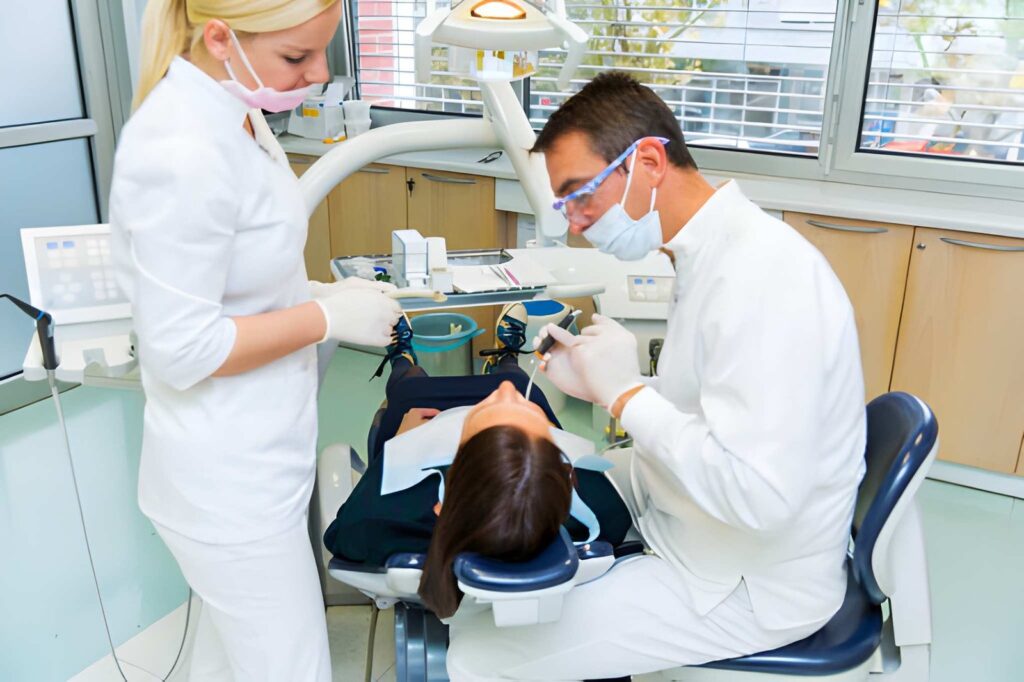
Your dentist will perform a thorough examination of your oral health. This will include inspecting your teeth, gums, tongue, and mouth tissues for signs of decay, gum disease, or other dental issues. The dentist may also check for any oral health problems you might not be aware of, such as cavities or infections. If needed, X-rays will be taken to get a deeper view of your teeth and bones. This initial examination is key in developing a treatment plan to address any issues or maintain your current oral health. Be sure to ask any questions about the exam.
Teeth Cleaning
In many cases, the dentist or hygienist will clean your teeth by removing plaque and tartar buildup. Professional cleaning helps prevent gum disease and improves your overall oral health. A clean mouth also allows the dentist to get a clearer view of areas that need further attention. During the cleaning, your dentist may also check for signs of gingivitis or other early signs of gum disease. Regular teeth cleaning not only improves the look and feel of your teeth but is an essential step in maintaining long-term oral health. Afterward, you may feel refreshed and more confident in your smile.
Discussion of Findings and Treatment Plan
Once the exam and cleaning are complete, your dentist will discuss the findings with you. If any treatments are necessary, such as fillings, crowns, or extractions, they’ll explain your options. This is the time for your dentist to go over the risks, benefits, and expected outcomes of any suggested treatments. They will also provide cost estimates and explain the process, so you’re fully informed. With NHS dental treatments, the pricing is categorised into bands, making it easier to understand. It’s important to ask for clarification about costs, especially if you have concerns about your treatment plan.
Cancelling or Rescheduling Appointments
If you cannot attend your appointment, it’s crucial to cancel or reschedule as soon as possible. Repeated missed appointments without notice may make it difficult to book future visits, especially with NHS services. To ensure you have access to dental care when needed, always provide ample notice if you need to change your appointment. Many practices allow you to reschedule online or by phone. Being considerate of the dentist’s time and your own health will ensure a smooth experience and that you continue to receive the care you need in a timely manner.
What Shouldn’t Happen at a Dental Appointment
It’s important to feel respected and safe during your dental visit. Any signs of disrespect, lack of hygiene, or unclear pricing are red flags. Your dentist should prioritise your comfort and communicate clearly about all procedures and costs before proceeding. Additionally, a clean, sterile environment is essential for your safety. If you feel uncomfortable or if something doesn’t seem right, don’t hesitate to express your concerns. Your dental team should be professional and attentive, ensuring that you feel comfortable and well-cared for throughout the entire visit. Your health and well-being should always come first.
Takeaway Advice and Future Appointments
Before you leave, your dentist will likely offer you tips on how to improve your oral hygiene at home. This could include brushing techniques, flossing tips, or dietary advice to help maintain healthy teeth. They may also suggest follow-up appointments depending on your specific needs. For most people, a routine check-up is recommended every 6 to 12 months. You might also need specific treatments, such as a follow-up cleaning or fillings, based on your oral health. Scheduling your next visit ensures you stay on top of your dental care and maintain a healthy, beautiful smile.
NHS Dental Treatments and Services
As an NHS patient, you have access to a wide range of dental services, including preventive care, routine check-ups, and restorative treatments like fillings and crowns. Your dentist will guide you on what’s covered under NHS care and inform you if any treatments require private payment. While basic and preventive care is covered, certain cosmetic procedures or complex treatments may not be. Be sure to ask your dentist about any treatments you need, as they can help clarify what’s covered by the NHS and what might require an additional payment. This transparency helps you plan ahead.
Dental Costs and Payment
NHS dental treatments are priced in bands, which helps make the costs more predictable. Band 1 covers basic check-ups and preventive care, while Band 2 includes fillings and extractions. Band 3 covers more complex procedures like crowns and dentures. Before proceeding with any treatment, always ask for a breakdown of the costs so you know what to expect. NHS treatments are generally more affordable than private care, but it’s important to understand what’s included in each band. Your dentist will be happy to provide a detailed explanation of the pricing, so you’re informed and prepared.
Call to Action:
Ready to take control of your oral health? Don’t wait—book your dental consultation today for a positive, stress-free experience you can smile about! Schedule your visit now and let us help you achieve optimal oral health.
What to Expect During Your First Visit to an NHS Dentist in Kendal
Your first dental visit begins at reception, where you’ll be greeted by friendly staff who will ask for your personal and medical details. Typically, you’ll fill out a form that includes your health history, current medications, and any existing dental concerns. It’s important to provide accurate information to ensure the dentist has a full understanding of your health. The receptionist will also help you schedule future appointments if necessary. If you have questions about your appointment or treatment options, don’t hesitate to ask the reception staff. They’re there to assist you and ensure a smooth visit with an Affordable NHS dentist in Kendal. Contact Kendal Dental Aesthetics and Implant Clinic today to book your consultation and start your journey to better oral health!
Frequently Asked Question
How often should I have a dental check-up?
Most adults should visit the dentist every 6 to 12 months, but your dentist will recommend a schedule based on your individual oral health needs.
What if I’m afraid of going to the dentist?
Let your dentist know about your anxiety. They can provide reassurance, explain each step, and even offer sedation options if necessary to help you feel more at ease.
Are all treatments covered by the NHS?
Not all treatments are covered by the NHS. While preventive care is typically included, some cosmetic procedures and advanced treatments may not be, and will require private payment.
Do I need to bring anything to my appointment?
Make sure to bring a list of current medications, any dental insurance details, and your NHS number, if applicable, to your appointment to ensure a smooth visit.
Can I cancel or reschedule my NHS dental appointment?
Yes, but it’s important to give as much notice as possible. Repeated no-shows without notice may result in limited access to NHS dental services in the future.