
Current NHS guidelines suggest that most people should have a dental check-up every 12 months. However, the ideal frequency can vary depending on your oral health, lifestyle, age, and any existing dental problems. Children, older adults, smokers, and those with specific conditions may need to visit more often.
Why Are Regular Dental Check-Ups Important?
Regular dental visits with the best dentist in Kendal are vital for keeping your teeth and gums healthy. They allow early detection of problems like tooth decay, gum disease, and oral cancer. Catching these issues early helps prevent more complex and costly treatments later. The best dentist in Kendal also provides personalised advice to maintain good oral hygiene based on your individual needs.
How Can I Find an NHS Dentist in Kendal Accepting New Patients?
What Happens During a Dental Check-Up?
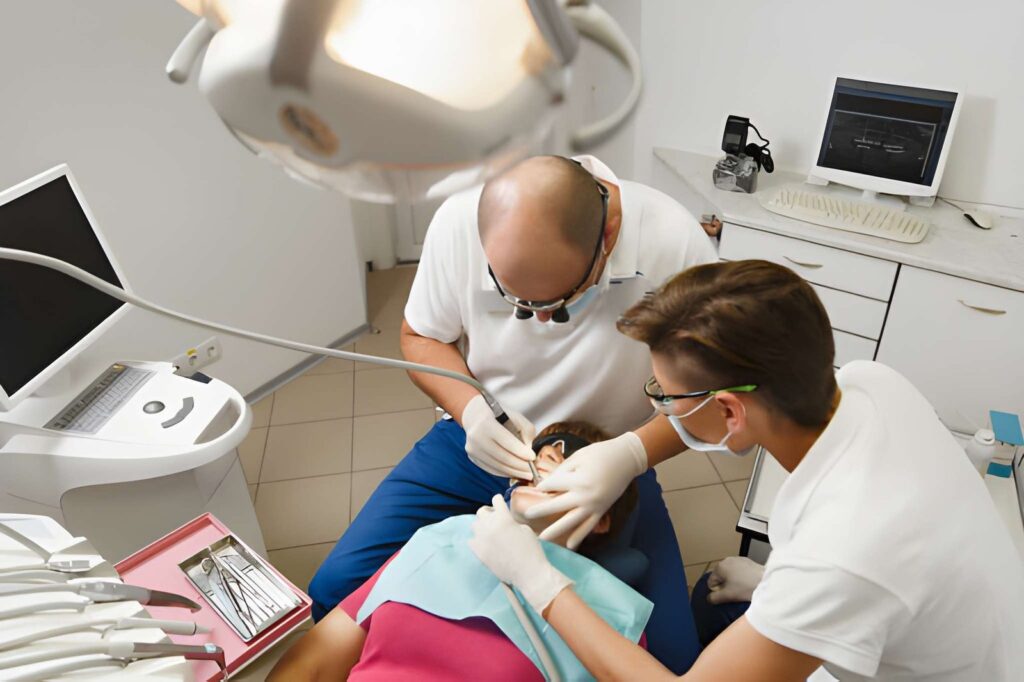
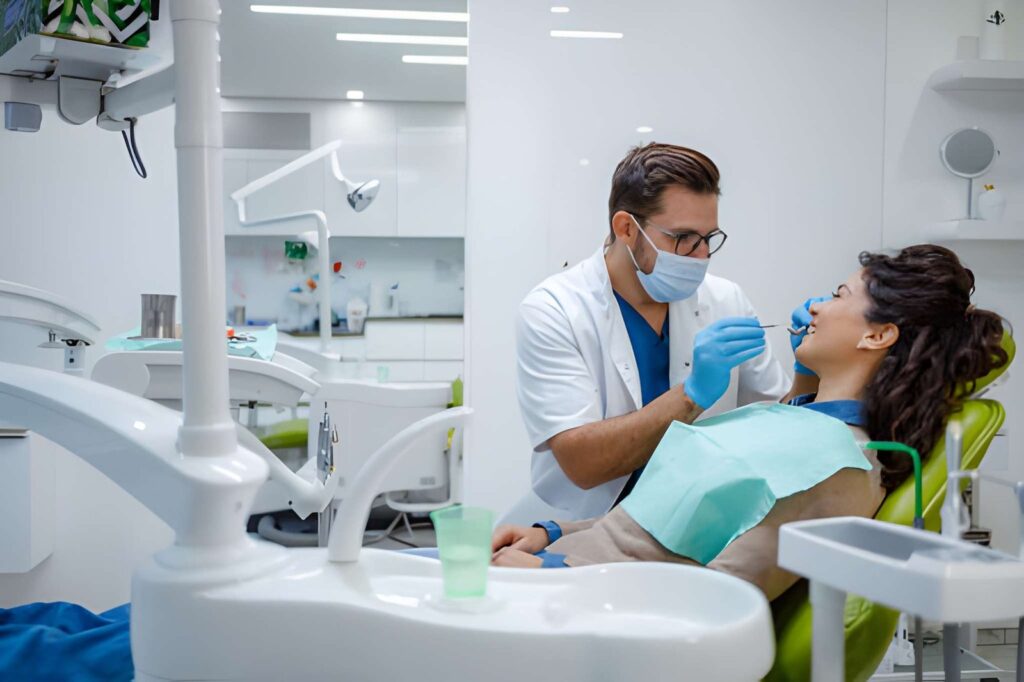
During a typical check-up, your dentist will:
- Examine your teeth, gums, and mouth for signs of disease
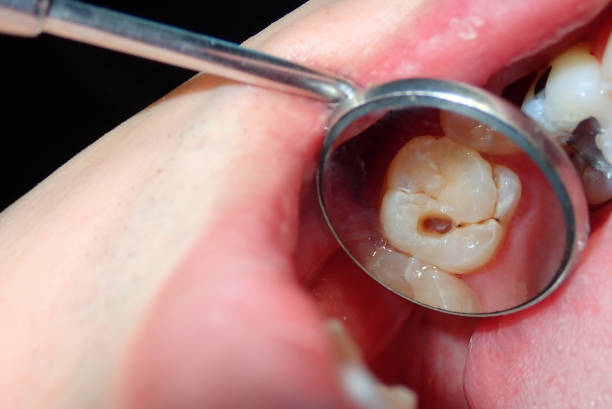
- Check for plaque, tartar, and cavities
- Look for early signs of oral cancer
- Discuss your oral hygiene habits and diet
- Recommend any necessary treatments
If needed, X-rays may be taken to detect issues not visible during a visual examination.
How Often Should Children Visit the Dentist?
Children should visit the dentist as soon as their first teeth appear. After that, check-ups are usually recommended every 6 to 12 months. These visits help track dental development, prevent early decay, and encourage children to feel comfortable at the dentist from a young age.
Dental Visits for Older Adults
Older patients are more likely to experience gum disease, dry mouth, and tooth loss, especially if they take certain medications. For this reason, visits every 6 months are often beneficial. Regular check-ups help ensure oral health is maintained as part of overall wellbeing.
When Should You Visit the Dentist Sooner?
You should not wait for your next routine appointment if you notice any of the following:
- Toothache or sensitivity
- Bleeding or swollen gums
- Loose or shifting teeth
- Sores, white patches, or ulcers in the mouth
- Pain when chewing or biting
Early treatment prevents problems from getting worse and keeps your mouth healthy.
Who Needs More Frequent Dental Check-Ups?
Some people require more regular visits due to health or lifestyle factors, including:
- Smokers
- Diabetics
- Those with a history of gum disease
- Patients wearing braces or aligners
Your dentist will recommend a suitable schedule tailored to your needs.
How Often Should You See the Dental Hygienist?
Most people benefit from seeing a dental hygienist every 6 months. Hygienists perform professional cleaning (scaling and polishing), remove plaque, and provide tips for better oral care. Those with gum problems may need more frequent visits to manage their condition.
If You Haven’t Been for a Check-Up in a While
If it’s been a few years since your last visit, don’t worry. Dentists understand and are there to help, not judge. Booking an appointment soon allows any issues to be identified and treated early. Regular visits restore and maintain good oral health over time.
Managing Dental Anxiety
It’s common to feel nervous about seeing the dentist. Many clinics are experienced in helping anxious patients by offering calm communication, longer appointments, or relaxation techniques. Let your dentist know about your concerns in advance so they can make your experience more comfortable.
NHS Dental Appointments Explained
NHS dental check-ups include an examination, advice, and any required treatment based on your band of care. Costs are standardised across the NHS and divided into clear pricing bands—from basic check-ups to more complex procedures.
Getting NHS Dental Treatment
If you need treatment, your dentist will explain your options and the related NHS charges. Treatments are grouped into three cost bands, depending on complexity. You’ll receive a clear treatment plan outlining your care and costs before any work begins.
What Should Not Happen During an NHS Appointment
You should never feel pressured into choosing private treatment if an NHS option is suitable for your needs. Dentists must clearly explain the necessity and cost of all procedures and obtain your full consent before treatment begins.
Simple Tips for Healthy Teeth
Good oral health starts with everyday care. Brush twice a day with fluoride toothpaste, floss regularly, limit sugary foods and drinks, and avoid smoking. These small steps, combined with regular check-ups, help you keep your teeth strong and your smile bright.
Why Regular Dental Visits Matter
Regular dental visits with the best dentist in Kendal are essential for maintaining strong teeth and healthy gums. These check-ups allow early detection of issues like tooth decay, gum disease, and oral cancer. Identifying problems early helps avoid more complex and costly treatments later. During your visit, the dentist also gives personalised advice to help you maintain excellent oral hygiene and a bright smile.
Book your appointment today at Kendal Dental Aesthetics and Implant Clinic to keep your smile healthy, confident, and cared for by professionals who prioritise your comfort and wellbeing.
Frequently Asked Question
How often should I have a dental check-up if I have no problems?
Most adults should visit a dentist once every 12 months, though your dentist may advise differently based on your oral health.
Can I go back to an NHS dentist if I haven’t been for years?
Yes, though availability may vary. It’s best to maintain regular appointments to ensure ongoing care.
Is professional cleaning necessary if I brush twice daily?
Yes. Even with daily brushing, tartar can form. A hygienist can clean areas you can’t reach at home.
Are check-ups necessary for baby teeth?
Absolutely. Early dental care helps prevent decay and supports proper growth and development.
What can I do to ease dental anxiety?
Inform your dentist ahead of time. Many use gentle communication and relaxation methods to help you feel at ease.