
AI Summary: Yes, an NHS dentist can refuse a root canal if the tooth cannot be saved, the treatment is too complex, or it is not clinically suitable. They should explain the reason and discuss other treatment options.
Root canal treatment can save an infected or damaged tooth. However, it is not always the right option. NHS dentists must make decisions based on clinical need, success rates, and available treatment pathways.
What Is a Root Canal?
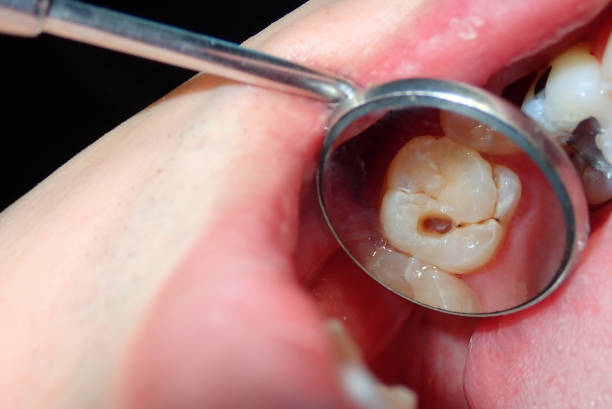
A Root Canal Treatment in Kendal is a dental procedure used to remove infected or damaged pulp from inside a tooth. The inside of the tooth is carefully cleaned, shaped, and sealed to stop infection from spreading. This treatment helps preserve the natural tooth and restore normal function while avoiding extraction.
Can an NHS Dentist Legally Refuse a Root Canal?
Yes. An NHS dentist can refuse to provide root canal treatment if they believe it is not appropriate or likely to succeed. They must act in the patient’s best clinical interests.
This does not mean refusing care completely. They should still offer advice or suitable alternatives.
Common Reasons an NHS Dentist May Refuse a Root Canal
1. The Tooth Is Too Damaged
If there is not enough healthy tooth left, a root canal may fail. Extraction may be safer.
2. Poor Long-Term Prognosis
If the tooth is cracked, loose, or has severe bone loss, saving it may not be realistic.
3. Complex Molar Root Canal
Back teeth often have multiple canals and can be harder to treat. Some general dentists may refer complex cases elsewhere.
4. Previous Failed Root Canal
Retreatment is sometimes difficult and may need a specialist.
5. Medical or Safety Concerns
Certain health conditions may affect treatment planning.
What Should Happen If They Refuse?
Your dentist should explain:
- Why root canal treatment is not advised
- Whether extraction is recommended
- If referral to a specialist is possible
- Costs of private alternatives if relevant
- Replacement options after extraction
Your Options If an NHS Dentist Refuses
Step-by-Step
- Ask for a Clear Explanation
Understand the reason for refusal. - Request Other Options
Discuss extraction, monitoring, or referral. - Ask About Specialist Referral
Some cases need an endodontist. - Get a Second Opinion
Another dentist may assess differently. - Consider Private Treatment
Private clinics may offer advanced root canal care.
Is Extraction Always Better?
Not always. Saving a natural tooth is often preferred when possible. But if the prognosis is poor, extraction may prevent pain and repeated problems.
Replacing a Removed Tooth
If extraction is needed, replacement choices may include:
- Dentures
- Bridges
- Implants
A Dental Crown in Kendal may also be used to protect teeth after successful root canal treatment when enough tooth remains.
Need Help Understanding Your Options?
Speak to Kendal Dental Aesthetics and Implant Clinic
If you have been told a tooth cannot be saved, the team at Kendal Dental Aesthetics and Implant Clinic can assess your case and explain all available options. From root canal care to crowns, implants, and smile restoration, we provide clear guidance and personalised treatment plans. Book your consultation today.
FAQs
Can an NHS dentist refuse a root canal on a molar?
Yes. Some molar cases are complex and may need referral or another option.
Can I insist on a root canal?
You can request it, but the dentist decides based on clinical suitability.
Can I get a second opinion?
Yes. You are free to seek another dentist’s opinion.
Will the NHS refer me to a specialist?
Sometimes, depending on the case and local referral pathways.
Is private root canal treatment faster?
Often yes, especially for complex or urgent treatment.
Author: Dental Content Team
Last Updated: 28 April 2026