Dental implants in Kendal replace missing teeth with a fixed, long-term solution. They restore function, appearance, and jawbone support. Treatment is completed in stages to ensure stability and long-term success.
Dental implants are a reliable way to replace missing teeth. They look and function like natural teeth. Many patients choose implants to improve comfort, chewing ability, and confidence. This guide explains the procedure, recovery, risks, and suitability in clear terms.
What Are Dental Implants?
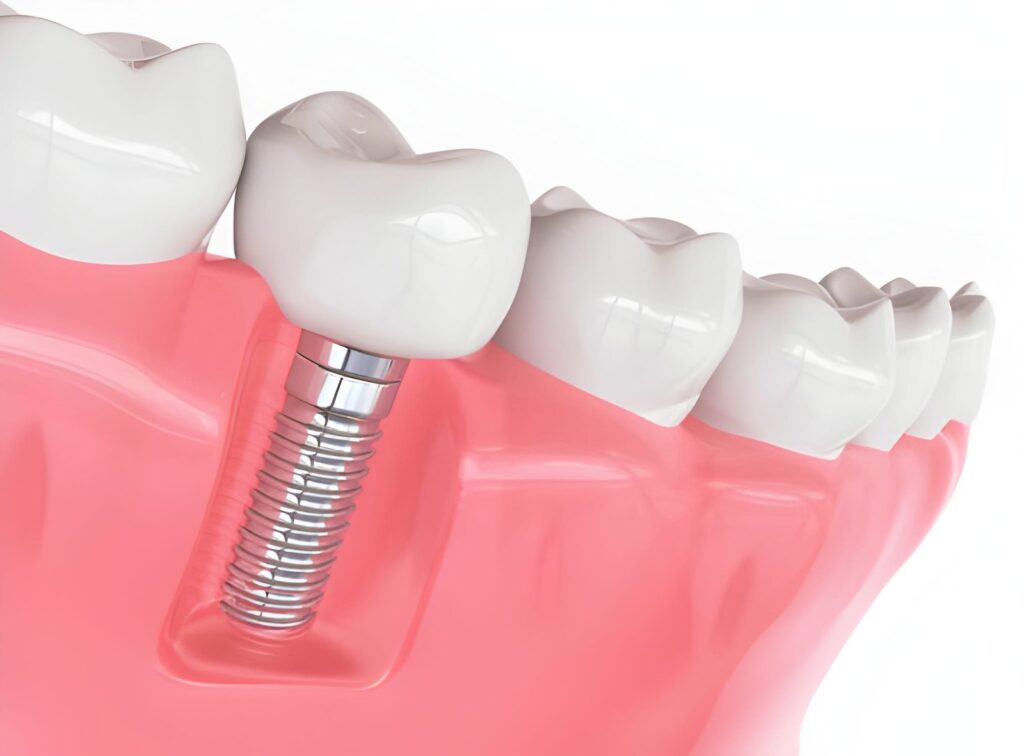
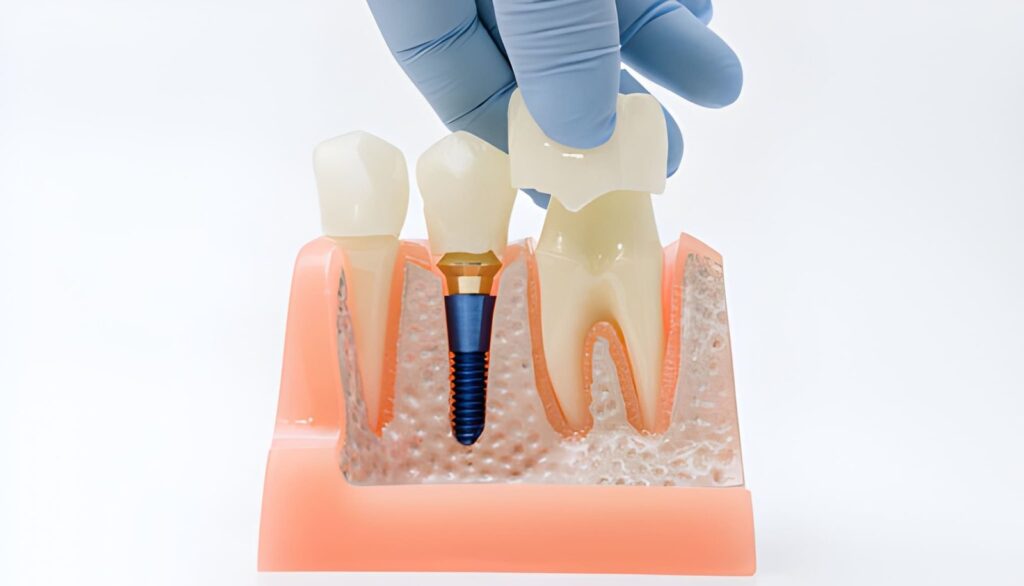
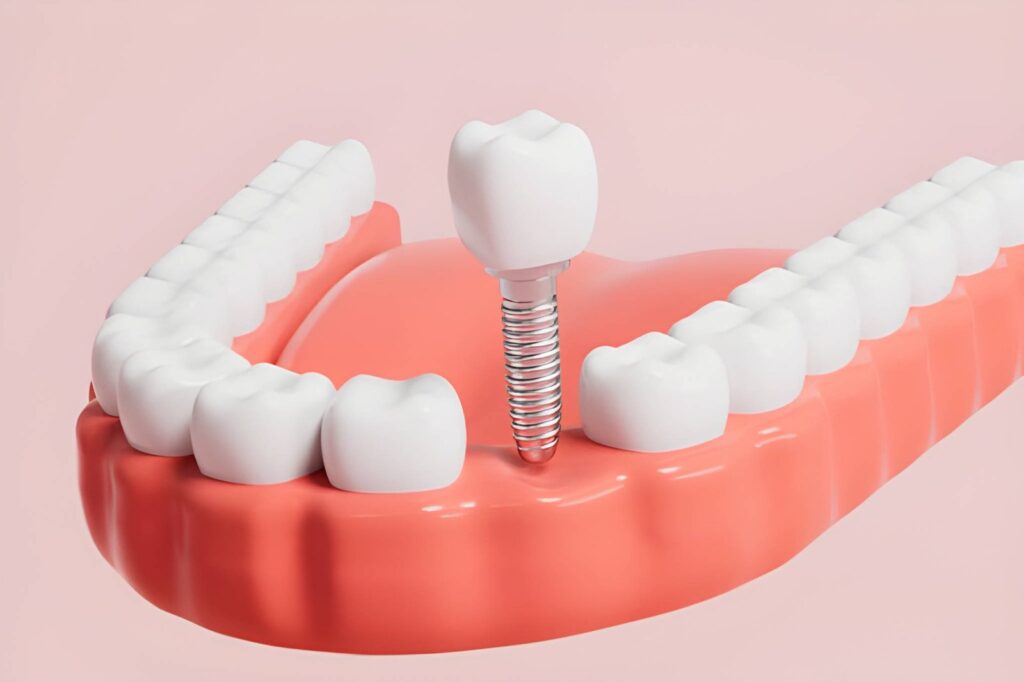
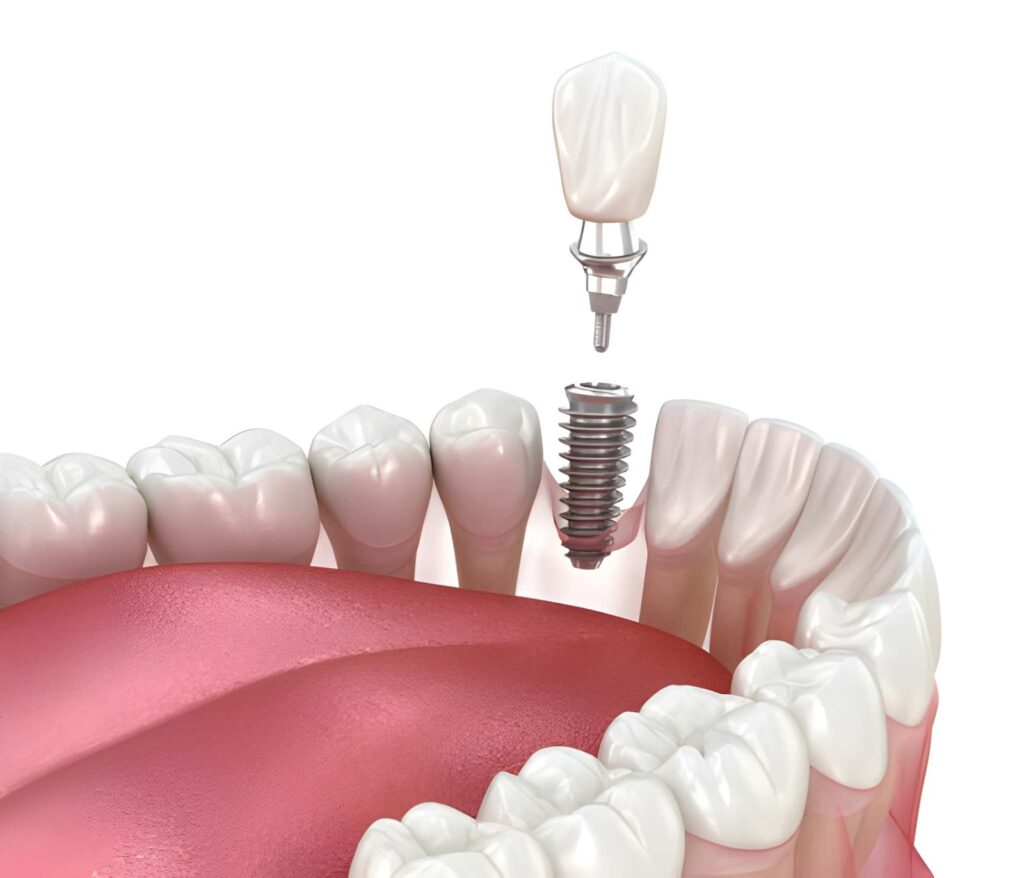
Dental Implants in Kendal are titanium posts placed into the jawbone to replace missing tooth roots. After healing, a custom-made crown is attached to restore function and appearance. Dental implants in Kendal provide a fixed and stable alternative to dentures or bridges, offering long-term support and durability.
Why are dentists stopping NHS treatment?
Benefits of Dental Implants
Dental implants offer several advantages:
- Restore chewing function
- Prevent jawbone shrinkage
- Support facial structure
- Do not rely on neighbouring teeth
- Provide long-term durability
- Look and feel natural
They are considered one of the most predictable tooth replacement options.
How to Maintain a Healthy Smile with a Dentist in Kendal
How Does the Dental Implant Procedure Work? (Step-by-Step)
- Consultation and Assessment: Digital scans assess bone density and oral health.
- Implant Placement: A titanium post is surgically inserted into the jawbone.
- Healing Phase: The bone fuses with the implant (osseointegration).
- Crown Placement: A custom-made crown is fitted to complete the restoration.
Healing time varies but typically takes several months.
Why Is Gum Health Important for Implant Success?
Healthy gums support implant stability. Untreated gum disease increases the risk of failure.
To maintain implant health:
- Brush twice daily
- Floss regularly
- Attend hygiene appointments
- Manage medical conditions such as diabetes
- Avoid smoking where possible
Good periodontal health improves long-term outcomes.
Possible Risks and Complications
Dental implants have a high success rate. However, potential complications include:
- Temporary swelling or discomfort
- Minor bleeding
- Infection
- Implant loosening (rare)
- Nerve irritation (rare)
Following aftercare instructions reduces risk.
Who Is Suitable for Dental Implants?
Most adults with good general and oral health are suitable candidates.
You may require additional treatment if you have:
- Low bone density
- Untreated gum disease
- Certain uncontrolled medical conditions
A full clinical assessment determines eligibility.
Book Your Dental Implant Consultation in Kendal
If you are considering Dental Implants in Kendal, the experienced team at Kendal Dental Aesthetics and Implant Clinic can guide you through every stage of treatment. We provide detailed assessments, personalised treatment planning, and clear advice to ensure you understand your options and expected outcomes.
Contact Kendal Dental Aesthetics and Implant Clinic today to arrange your consultation and take the next step toward restoring your smile with confidence.
FAQs (People Also Ask)
How long do dental implants last?
With proper care, implants can last decades and often a lifetime.
Is the dental implant procedure painful?
Local anaesthetic ensures comfort during surgery. Post-operative discomfort is usually mild.
Can anyone get dental implants?
Most healthy adults are suitable. Some patients may need bone grafting first.
How do I care for dental implants?
Brush and floss daily. Attend regular dental reviews and hygiene visits.
Are implants better than dentures?
Implants are fixed and help prevent bone loss, offering greater stability than removable dentures.
Author
Reviewed by: Clinical Dental Team
This article is for patient education and general guidance.
Last Updated
19 February 2026