
The most feared dental procedure is typically root canal treatment, mainly due to outdated perceptions of pain. However, modern dentistry makes procedures like root canals, extractions, and implants comfortable and often pain-free.
Many people feel anxious about visiting the dentist because they expect pain or discomfort. In reality, modern dental techniques have made treatments far less intimidating. Procedures once considered scary are now routine, quick, and comfortable with effective anaesthesia and advanced tools.
What Is the Most Feared Dental Procedure?
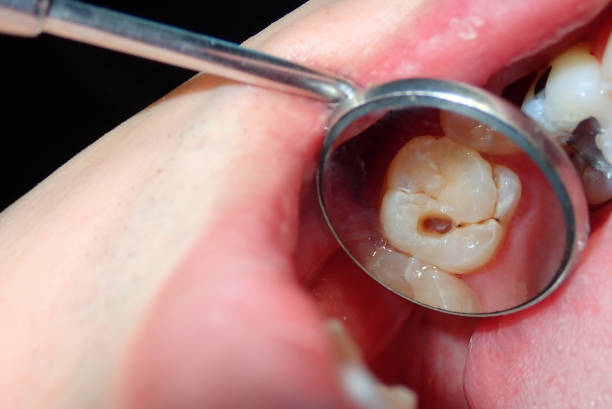
Root canal treatment is widely considered the most feared dental procedure. This fear is usually based on myths rather than actual experience, as modern root canals are designed to relieve pain, not cause it.
Are Dental Implants in Kendal Right for You?
Common Dental Procedures People Fear
- Root canal treatment
- Tooth extraction
- Dental implants
- Gum surgery
- Braces and orthodontic adjustments
Why Are These Procedures Feared?
- Fear of pain or discomfort
- Negative past experiences
- Lack of understanding of modern techniques
- Anxiety about dental tools or sounds
- Concern about recovery time
Most Feared Dental Procedures Explained (Step-by-Step)
1. Root Canal Treatment
- Removes infected tissue inside the tooth
- Cleans and seals the root
- Usually takes 60–90 minutes
- Performed under local anaesthesia, making it comfortable
Dental Implants in Kendal: Everything You Need to Know
2. Tooth Extraction
- Removes a damaged or unsalvageable tooth
- Takes around 20–40 minutes
- Completely numbed during the procedure
- Mild soreness may occur after
3. Dental Implants
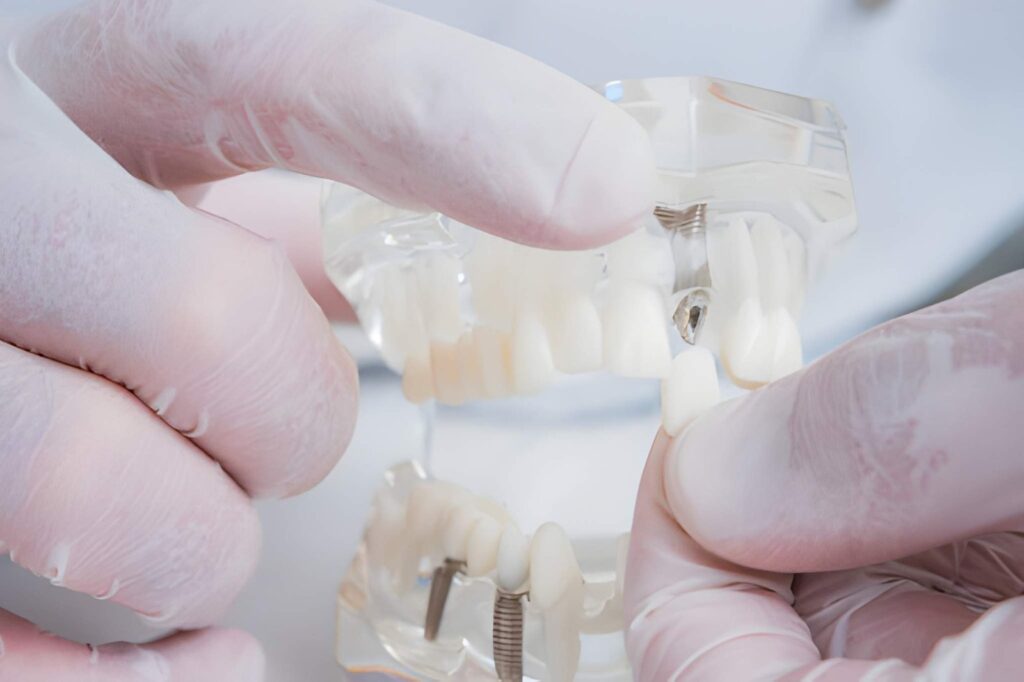
- Replaces missing teeth with a titanium post
- Done in stages over time
- Minimal discomfort with anaesthesia
- Mild soreness similar to extraction
4. Gum Surgery
- Treats gum disease or reshapes gums
- Uses advanced tools or lasers
- Faster healing and reduced discomfort
5. Braces and Orthodontics
- Gradually align teeth
- Mild pressure rather than pain
- Modern options include clear aligners
Dental Implants in Kendal: A Long-Term Solution for Missing Teeth
How Modern Dentistry Reduces Fear
- Local anaesthesia ensures pain-free treatment
- Digital technology improves precision and comfort
- Sedation options help anxious patients relax
- Faster procedures with minimal recovery time
How to Manage Dental Fear (Step-by-Step)
- Talk openly with your dentist about your concerns
- Ask for a full explanation of the procedure
- Use relaxation techniques like deep breathing or music
- Consider sedation options if needed
- Attend regular visits to build confidence over time
Are Dental Procedures Really Painful?
Most modern dental procedures are not painful. Patients usually feel pressure rather than pain, and any post-treatment discomfort is mild and temporary.
Key Takeaways
- Root canals are the most feared, but are usually pain-free
- Modern dentistry focuses on comfort and patient care
- Most procedures are quick, safe, and manageable
- Addressing fear early improves long-term oral health
CTA – Kendal Dental Aesthetics and Implant Clinic
If dental anxiety has been holding you back, Kendal Dental Aesthetics and Implant Clinic is here to make every visit gentle and stress-free. Our expert team specialises in pain-free root canals, extractions, implants, and more. Book your consultation today and experience comfortable, modern dental care that puts your well-being first.
FAQs (People Also Ask)
Do root canals hurt more than extractions?
No. Both procedures are performed under anaesthesia and are generally comfortable.
How long does a root canal take?
Most root canals take 60–90 minutes, depending on complexity.
What is the least painful dental procedure?
Procedures like bonding or cleaning are usually painless and quick.
Can I be sedated during dental treatment?
Yes. Many clinics offer sedation options for anxious patients.
How can I stop being afraid of the dentist?
Regular visits, clear communication, and relaxation techniques help reduce fear over time.
Author
Reviewed by: Dental Content Team
Last Updated
Last updated: 8 April 2026